California: Marine Mammals Tangled and Intoxicated by Plastic
Vicky Fong is a senior at the University of California, Berkeley, and an intern with the International Marine Mammal Project (IMMP) of Earth Island Institute. She is double majoring in Molecular Environmental Biology and Conservation & Resource Studies.
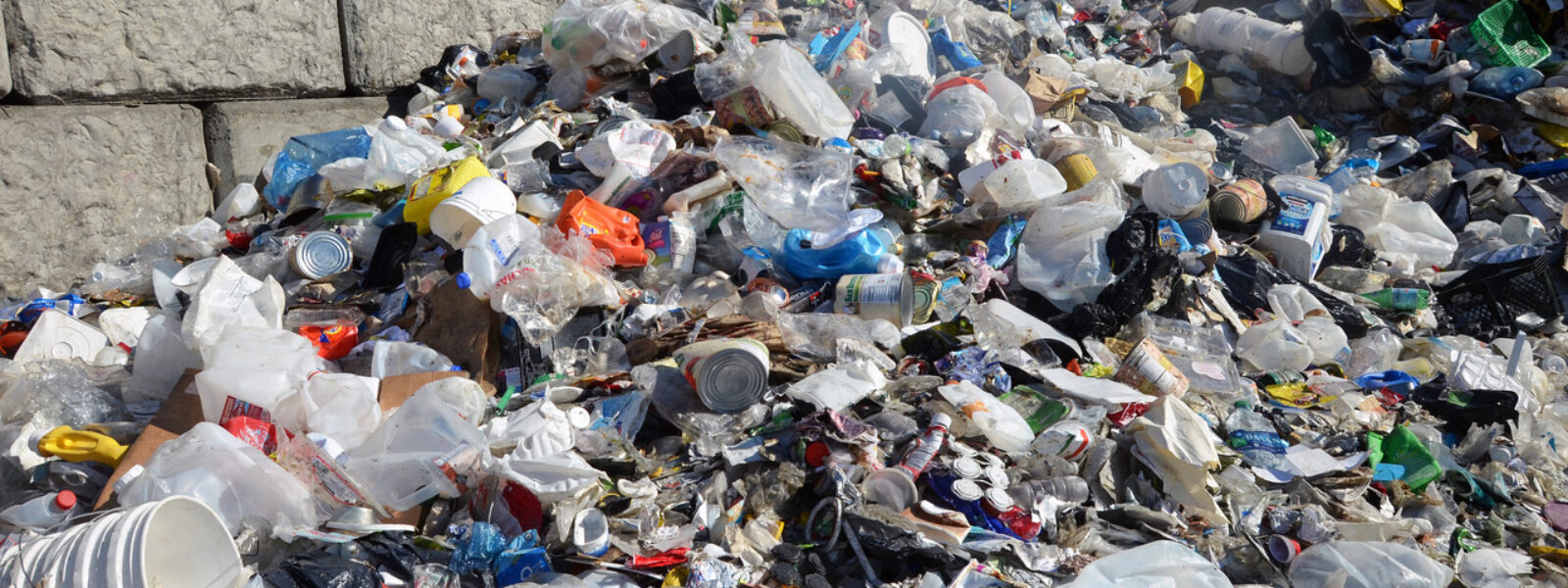
Look around you – can you find a disposable plastic item? Perhaps a plastic bag, a coffee cup, a pen… Do you wonder where they eventually end up after being tossed in the trash can?
Plastic - The oil-based material that has penetrated every aspect of our lives was designed to be versatile and durable, and now virtually every piece of plastic that has ever been produced still exists, if in somewhat deteriorated form. Humans have made more plastic in the last decade than the entire previous century, and more than half of this is thrown away after being used once. Trash that doesn’t make it to a landfill flows through sewers and rivers and eventually into the ocean, with land-based debris making up 80% of plastics found in the ocean. The other 20% is dumped at sea in various ways, either deliberately or by accident.
Marine mammals – such as sea lions, seals, porpoises, dolphins, and whales – are one of many animal groups that are threatened by the increase in ocean plastics, as plastics can be easily mistaken as prey. Not only are the animals at risk of choking and drowning, but they are also exposed to harmful chemicals that are found in plastic and that are attached to plastic. These large plastics also break down over time in the waves into smaller and smaller sizes, eventually down to “microplastics” that look very similar to the plankton eaten by small fish, that are then eaten by larger animals such as marine mammals.
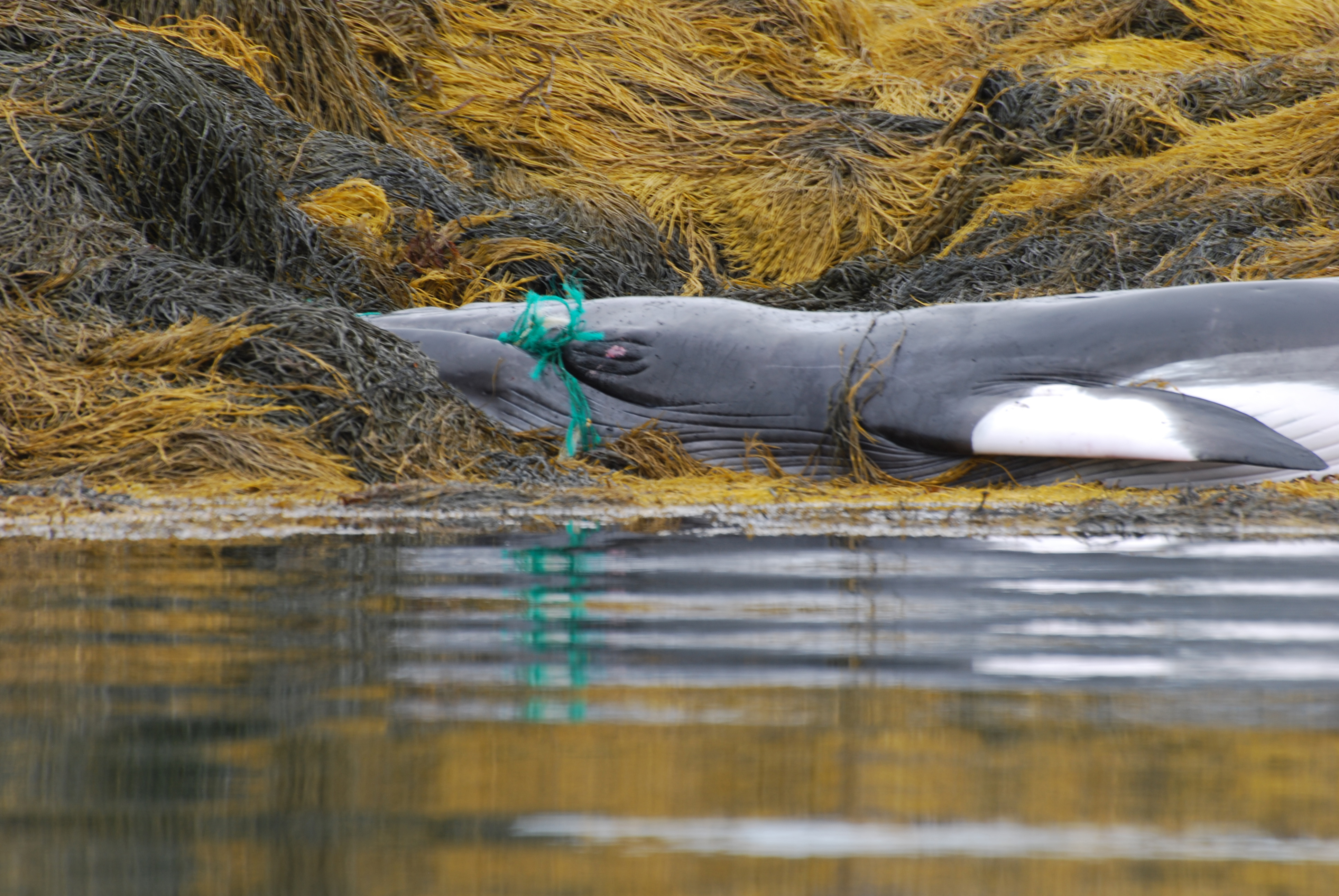
Another major plastic threat to marine mammals is getting entangled in fishing gear – either net actively cast out at sea, single fishing lines by the shore, or “ghost nets” that have been lost. While trying to escape, animals can be severely injured, at risk of drowning, and even death.
When marine mammals are injured, distressed, or dead, they are often found floating on the ocean surface or washed ashore onto beaches and rocks. Such stranded animals are called in by helpful citizens (like you!) and the US National Marine Fisheries Service (NMFS), and their cooperative stranding centers respond for their rescue and to gather data on the threat. The Marine Mammal Protection Act has protected all marine mammals in US waters since 1972. This law requires the government to track how stable the populations are and how human activities, such as fishing and littering, might be impacting the animals. Thanks to NMFS’s generosity in sharing its data, IMMP was able to find out how marine mammals in California have been impacted by plastics in recent years.

In the last two decades, there were a total of 1,114 cases in California involving plastics, where the marine mammal was either found entangled in plastic or plastic was found in its stomach. The highest number of cases were found in San Diego (18%), Los Angeles (17%) and Monterey (14%) counties, where beaches are easily accessible to large populations of people, compared to other more remote locations in Central and Northern California.
Sea lions were the most common type of marine mammal found entangled in fishing nets or other plastic debris (75%), and with plastic in their stomachs (84%). The sharp increases of cases in 2002, 2009, and 2015 are likely linked to harmful algae blooms called “red tides” that produce domoic acid – a toxin that attacks brain function and to which sea lions are particularly susceptible. Small fish eat the toxic algae, pass it up the food chain to sea lions, that show symptoms of lethargy, disorientation, seizures, and even death.

We found out that fishing gear had the greatest impact on marine mammals, as it was involved in 75% of entanglement cases, and hook-and-line fishing gear specifically was ingested the most (79%). With non-fishing related plastics, we discovered packing straps and plastic bags as the biggest culprits. Notable mentions go out to Cheetos, Twizzler, and Ziploc for contributing to the problem.
What can you do to help?
- Report stranded/injured/dead marine mammals to NOAA NMFS (West Coast Stranding Hotline): 1-866-767-6114 (There are other numbers available online for other regions of the US. https://www.fisheries.noaa.gov/report)
- Report entangled marine mammals to 1-877-SOS-WHAL (767-9425)
- Reduce and refuse single-use plastics in your daily life! Use a reusable water bottle for starters, and avoid plastic bottles, cups, and straws.
- Consume seafood responsibly and sparingly, avoiding species that are currently being overfished.
IMMP is investigating the impacts plastics have on the individuals and populations of marine mammals around the world. Working with Earth Island Advocates, IMMP, and three other Earth Island projects, filed suit against ten top companies, including PEPSICO, Coca-Cola Company, Nestle USA, and Proctor and Gamble, to hold these companies responsible for the massive amounts of plastic waste they produce. IMMP’s focus is to reduce injury and death of whales, dolphins, and other marine life caused by swallowing plastic and by entanglement in plastic fishing lines and nets.
Our thanks to the US National Marine Fisheries Service for providing access to California stranding information.
Please consider a donation to support our efforts to reduce plastic pollution of the ocean and the suffering of marine mammals.