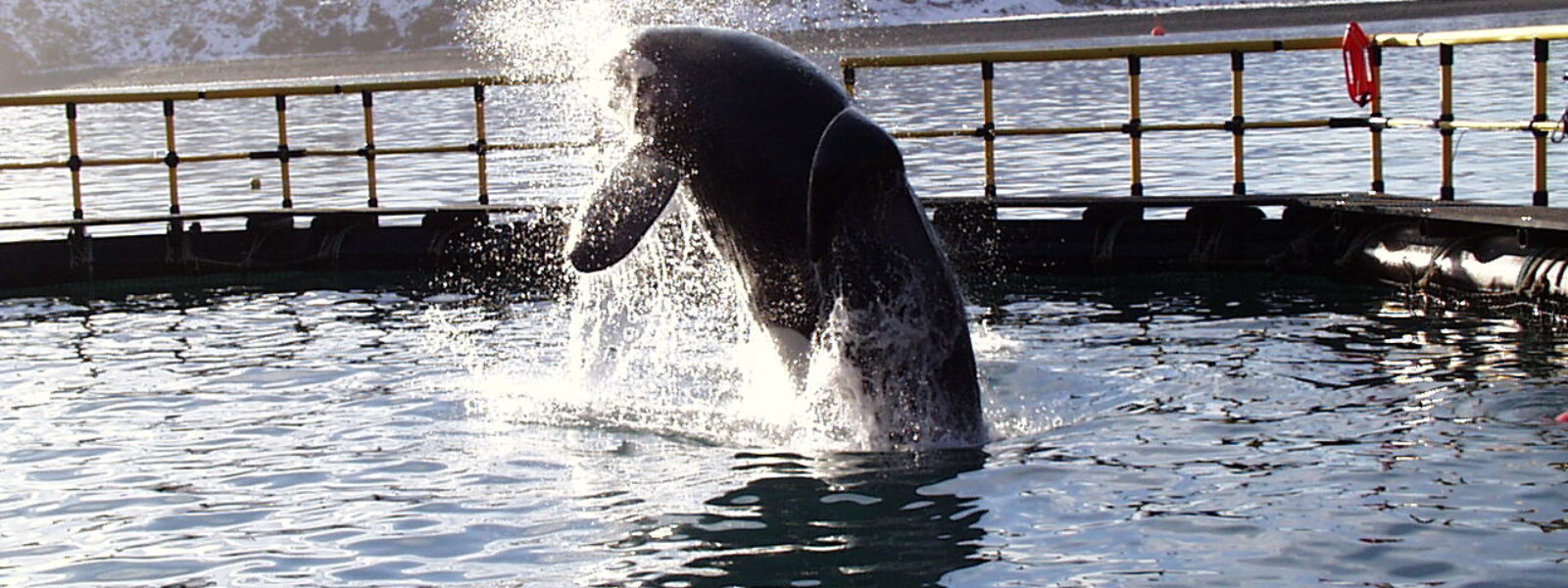
Saving Orca Free Willy: The Truth Of How The Killer Whale Was Set Free
The dolphin and whale captivity industry, including places like SeaWorld and Marineland, doesn’t want you to know the truth of how the killer whale, or orca, Keiko was rescued and set free. Keiko, made famous by the movie Free Willy, was rescued from a depressingly inadequate aquarium in Mexico and set free in Iceland, where he was captured as an infant decades earlier.
The success of the project to save the star of Free Willy is a huge threat to SeaWorld and other businesses that exploit orcas, dolphins and whales.
SeaWorld likes to say that the project to save Free Willy’s Keiko failed, arguing that because of this, no orca whales can ever be retired to sea pens or returned to the wild. But they say this because their goal is to keep orcas performing and on public display until the day they die.
The truth is that the Free Willy Keiko rescue effort proved that relocating and retiring an orca can be done in a safe, responsible way that ends the cruelty and increases both life expectancy and quality of life.
Below are points that form the truth of how the killer whale Keiko was rescued and set free by Earth Island and the Free Willy/Keiko Project:
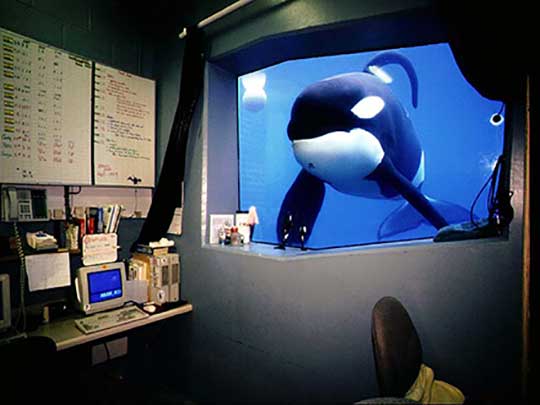
- Taking the least healthy captive orca whale in the world and bringing him back to full health.
- Successfully relocating Keiko from Mexico to a first-of-its-kind rehab facility in Oregon – free of all performances, breeding, and shows.
- Successfully helping Keiko relearn how to catch live fish.
- Curing Keiko’s papilloma virus and bringing his weight up by 2000 pounds.
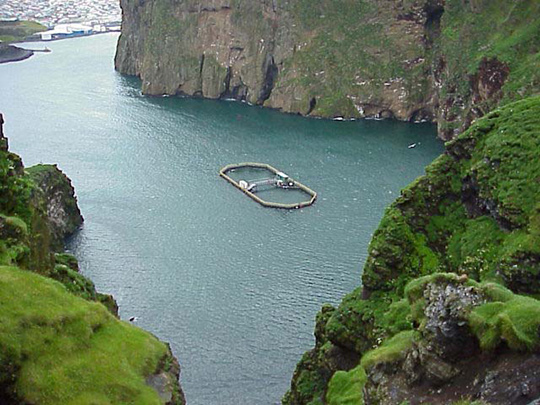
- Successfully relocating Keiko from Oregon to a sea pen in his native waters of Iceland.
- Successfully transitioning Keiko to a netted off bay pen in Iceland -- 1000 times the size of the largest sea pen currently in existence.
- Successfully bringing Keiko out into the company of wild Icelandic orca whales, where he was able to swim freely and interact with them for the first time since his capture as an infant.
- Monitoring Keiko’s 1000 mile trek to Norway during which he was conclusively determined to have fed himself in the wild.
Free Willy / Keiko did in fact survive the transition from captivity to the wild, despite what detractors may say. When Keiko died in the wild, he was the second oldest male orca ever kept in captivity, outliving the orcas condemned to spend their entire lives within the captivity industry’s ‘care’. In fact, what the captivity industry won’t tell you is that during the time Keiko was being helped, several orcas died in captivity, demonstrating that the Keiko project was much more successful than keeping captive orcas in small concrete tanks.
The fact that the Free Willy / Keiko rescue project was such a success means that SeaWorld has no excuse to keep their orcas captive forever, and that they should be at least retired to a natural sea pen where they can live out their lives in the ocean, or released back into the wild if possible. The fact that the captivity industry wants to suppress this knowledge clearly demonstrates that these companies care more about money than about killer whales.
SeaWorld and other captive facilities must lie to the public in order to keep unknowing customers buying tickets. But you can help orcas by forcing SeaWorld to begin telling the truth. Sign and share the petition below.
What You Can Do:
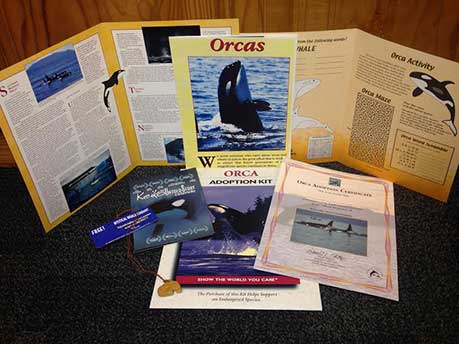
1. PURCHASE A KEIKO ADOPTION KIT
Kit Includes:
- Copy of the documentary "Keiko: the Untold Story"
- Photographs and information about Keiko
- Booklet on the history and habitat of orcas
- Mystical Whale Pendant replica of the one worn by Jesse in "Free Willy 2"
- Full color poster
- Personalized orca adoption certificate
- A special photo of Keiko in Norway.
2. Watch the full documentary, "The Free Willy Story", here:
3. Sign and share the petition!