Big Plastic Takes Advantage of COVID-19 Pandemic
Tara Van Hoorn is an intern with the International Marine Mammal Project of Earth Island Institute and majors in Conservation Resource Studies at the University of California, Berkeley.
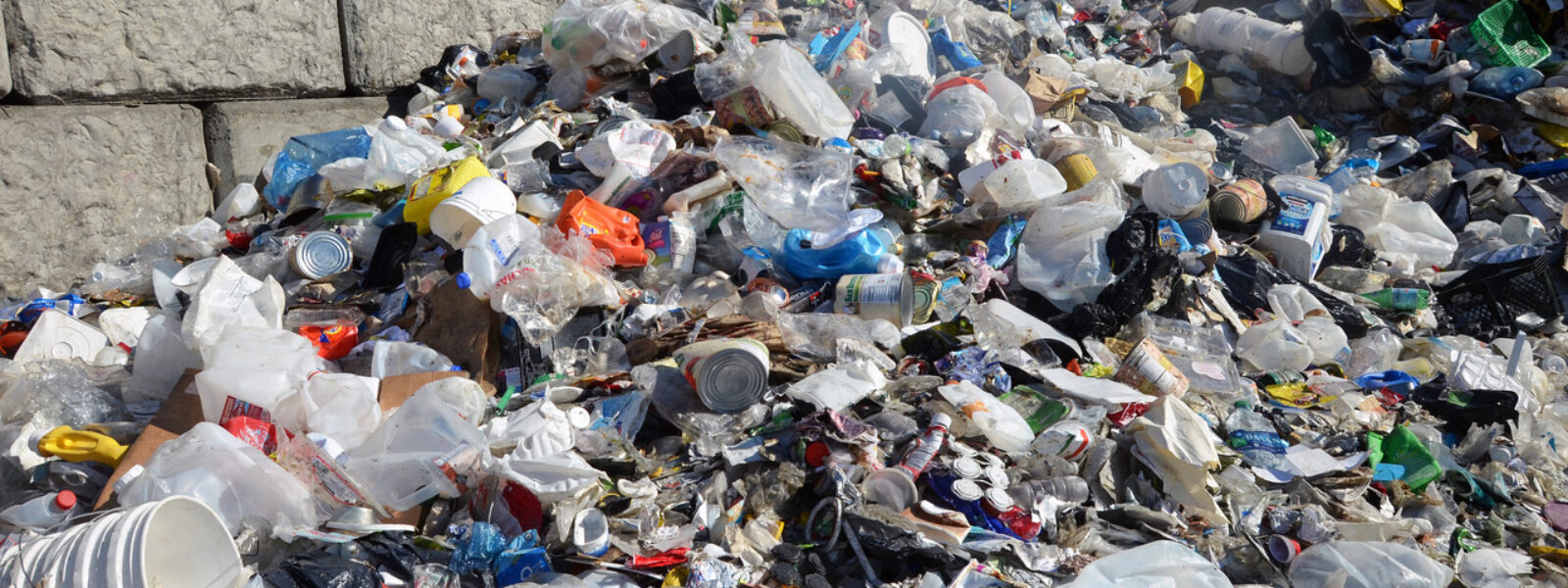
As we all know, the COVID-19 pandemic has changed the world in numerous ways, but not just for humans. Although traffic has slowed and humans are told to remain six feet apart, the world’s oceans, forests, and atmosphere are being destroyed by loosened environmental regulations, increased plastic dependence, and ignorant, and in some cases malignant, governments. The most visible of these issues is the stark increase in plastic pollution resulting from the COVID-19 pandemic.
We have reached a point in history where we rely on single-use items to protect us from a deadly virus, allowing the corporate plastic industry to boom. Big Plastic is capitalizing on the widespread use of plastic during COVID to make plastic seem like the best overall option for everything, not just COVID-related products. For example, companies have been encouraging stores to wrap everything in plastic, even unnecessary products like bananas, so they can make a profit off of the fear of sanitation shared by much of the population. This has given the plastic industry an advantage over the countless environmental policies and organizations that have been exposing how bad plastic is for the planet as more of the population is now accepting the utilization of single-use plastics for safety reasons.

This pandemic pollution is happening on a global scale. Using the pandemic as a distraction, many governments around the world are turning their attention away from crucial environmental policies, allowing for increased deforestation, illegal logging, and chemical pollution to occur globally. In the US particularly, the Trump administration has been quietly rolling back nearly every one of former President Barack Obama’s climate policies, lifting restrictions for polluters and permitting the increase of deadly toxins entering into our oceans and air.
President Obama’s policies on climate change were relatively limited, so it is doubly ironic that President Trump calls his policies radical while he continues to favor oil drilling and coal mining for “US energy dominance”. In fact, studies have shown that this heightened environmental degradation is linked to an increase in zoonotic diseases — diseases transmitted from animals, especially wildlife, to humans — as animal habitats continue to shrink and push the species closer to human populations. COVID, one of these zoonotic viruses, is most certainly not the last such devastating disease that is hiding in wildlife populations.
Like many issues of climate change, countries in the Global South that are contributing least to pollution are bearing the worst of the impacts. Small, relatively poor nations like Malaysia and Thailand, that often receive shipments of waste and recycling from larger industrial countries like the US and France, may suffer even more from this increase in plastic waste. In fact, many boats that carry intended recyclables to these small nations drop lots of waste in the surrounding oceans, putting marine creatures at high risk. Since the plastics cannot be recycled adequately, a lot of plastic waste winds up in poorly contained garbage dumps that wash out into the ocean or are simply dumped in rivers and the ocean.
Of course there are circumstances in which plastic must be used. We cannot tell medical professionals to stop wearing surgical masks and gloves, but there are changes that the population can make to reduce the plastic footprint of the pandemic. Cloth masks are a great alternative to the disposable options for everyday use. Similarly, you can still bring your own utensils to eat with your take-out and refuse the plastic cutlery. Studies also suggest that washing your hands frequently and thoroughly can be just as effective as wearing gloves. There are ways to make plastic and other materials that are easy to recycle and that deteriorate in the environment into substances that do not harm the environment or marine life.
The pandemic has changed the world, but we cannot let it destroy us. We must address this pollution and hold our legislators accountable for creating and maintaining environmental policies to save our oceans, our forests, and even our own lives.
WHAT YOU CAN DO:
To ensure that governments continue to advance environmental policies, it is crucial that we make our voices heard. To get involved, you can contact your local legislators and Congress people, telling them you want to reinstate and strengthen our environmental policies to protect our wildlife, lands and waters for the future.
For a list of Senators with links to their individual websites, go here. https://www.senate.gov/general/contact_information/senators_cfm.cfm
For a list of Members of the House of Representatives with links to their individual websites, go here: https://www.house.gov/representatives
Under the heading “Contact”, most Senators and Representatives will either post an email address or have an online form you can fill out to contact them.
You can also call the Congressional Switchboard (202) 224-3121 and ask to speak to the office of your Senators and Representative.
For those of you who would like to write a letter, you can address it:
Senator __________________

US Senate Office Building

Washington, DC 20510

Representative __________

US House of Representatives Building

Washington, DC 20515