Good News: Trump’s Offshore Oil Drilling Runs Aground
One of the Trump Administration’s opening salvos against the environment was his promise to open 90% of the United States’ outer continental shelf to offshore oil drilling, a dangerous prospect, especially in such remote places as the Arctic Ocean, bordering Alaska, and in the North Atlantic.
But opposition to Trump’s proposal has only gotten stronger and stronger.
A key point came when federal Judge Sharon Gleason in Alaska halted all leasing plans in areas of the Arctic and Atlantic Ocean previously withdrawn from offshore oil and gas leasing by President Barack Obama, on the grounds that the dangers of oil spills and ice made the areas a poor choice for drilling. The withdrawal statute does not provide for future Presidents to undo the actions of former Presidents by whim – only Congress can override such a withdrawal.
A spokeswoman for the Department of the Interior, which promotes offshore oil leases, stated last Thursday, April 25th: “Given the recent court decision, the Department is simply evaluating all of its options to determine the best pathway to accomplish the mission entrusted to it by the President.”
It is estimated that the Trump Administration has now lost around 40 cases in federal courts involving their attempts to roll back environmental laws to benefit oil drilling, mining, polluters, developers, and other big business interests.
However, the other underlying problem for the Trump Administration and its drill-everywhere policies (a policy with the bombastic name "Energy Dominance") is the backlash from state governments and many Republicans, joining with their Democratic colleagues to oppose drilling that threatens the coastal economies, particularly in the Atlantic Ocean. Public demonstrations have occurred throughout coastal states, and many state legislatures have passed legislation opposing offshore oil drilling and blocking infrastructure that would accommodate offshore oil drilling off their coasts.
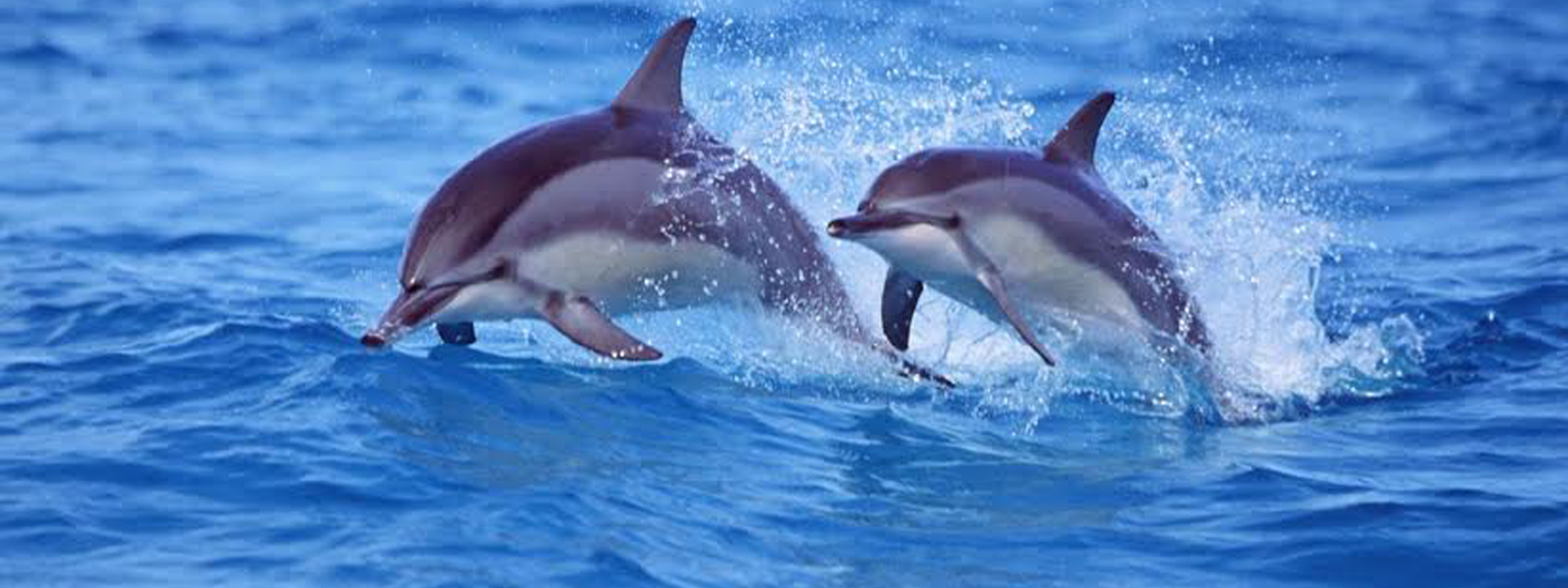
The International Marine Mammal Project (IMMP) of Earth Island Institute opposes offshore oil drilling due to the problems of noise and oil pollution, severe and chronic oil spills, dumping of toxic drilling muds into the ocean, and the threat of seismic testing (see below). Of course, burning oil also contributes to the dangers of severe climate change that the Earth is now experiencing.
Rumor has it that the Trump team is quietly shelving offshore oil drilling plans, because of their controversial nature, until after the 2020 election.
However, a looming threat continues with applications from the oil industry to conduct seismic testing offshore. This consists of towing an array of air guns that blast huge sounds, some of the loudest produced by humans, into the sediments offshore. The echoes are read to determine the location of possible oil-bearing strata of rock underneath the seabed, but the huge and perpetual sound, month after month, can seriously damage marine life, including whales and dolphins, fish, and even plankton and benthic organisms. The Trump Administration attempted to process permits for seismic testing during the government shutdown, a clear abuse of executive powers, but an injunction blocked the permits temporarily. Reportedly, the Administration is continuing to process such permits despite the delay in the plans for actual leasing and drilling.
IMMP has joined demonstrations against offshore oil drilling and has engaged in using the US Freedom of Information Act (FOIA) to get more information about how the Dept. of the Interior and the Trump Administration determined to open the offshore shelf to drilling. We are engaged in a lawsuit against the Interior Dept. for failing to comply with our request for information under FOIA, represented by the Institute for Public Representation of Georgetown University Law Center.
Photo of Offshore Oil Platform by Glenn Beltz.
Please consider a donation to help support our work to protect whales, dolphins and their ocean homes from offshore oil drilling and other environmental disasters. Your support makes our work possible.
Thank you!