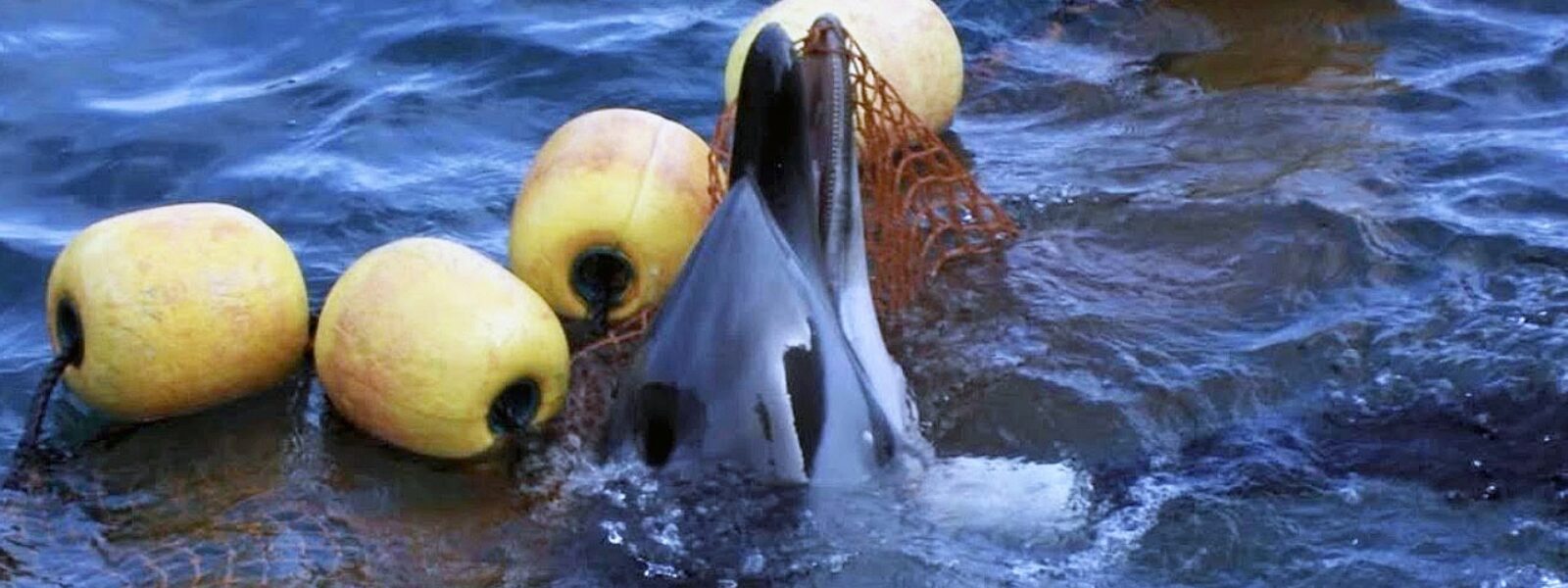
Taiji Dolphin Hunts Continue Pounding Dolphins
By Mark J. Palmer
Photography by Kunito Seko
Warning: Graphic Images that Might be Disturbing
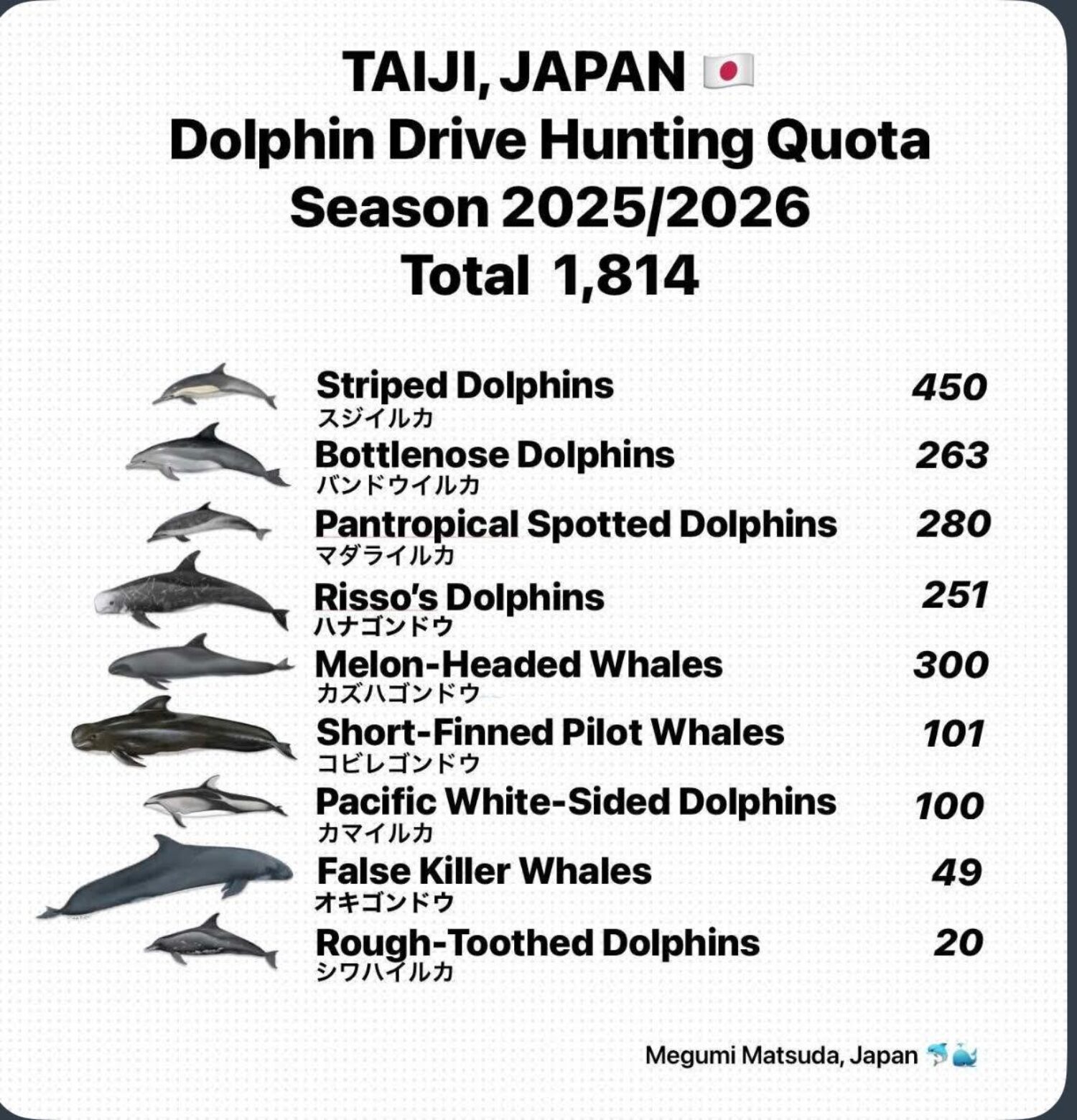
The dolphin drive hunts in Taiji are continuing their bloody course through a number of different dolphin species.
Here’s the breakdown of quotas for dolphins as approved by the Japan Fisheries Agency for the 6-month dolphin hunt season from Sept. 1, 2025 through March 1, 2026, with thanks to activist Megumi Matsuda:
In Taiji, our colleague Kunito Seko continues photographing the ongoing hunts on a daily basis. His photos of dolphins trapped in the nets of the Cove in Taiji are below – most of the individuals that you see are now dead.
The Taiji hunts were originally aimed at capturing live dolphins for the Taiji Whale Museum, which both brokers live dolphins to other aquariums in Japan, China, and the Middle East, and maintains their own desultory live dolphin shows.
But the hunts begun in 1969, soon expanded to slaughter most of the dolphins driven into the notorious Cove and sell the meat to Japanese households. Only “show quality” dolphins are kept for captivity – mostly bottlenose dolphins.
Most of the other species of dolphins are mainly targeted for the meat section of markets. None of these species is considered endangered. However, many of the species being targeted have shown signs of local depletion.
Here are a few of them:
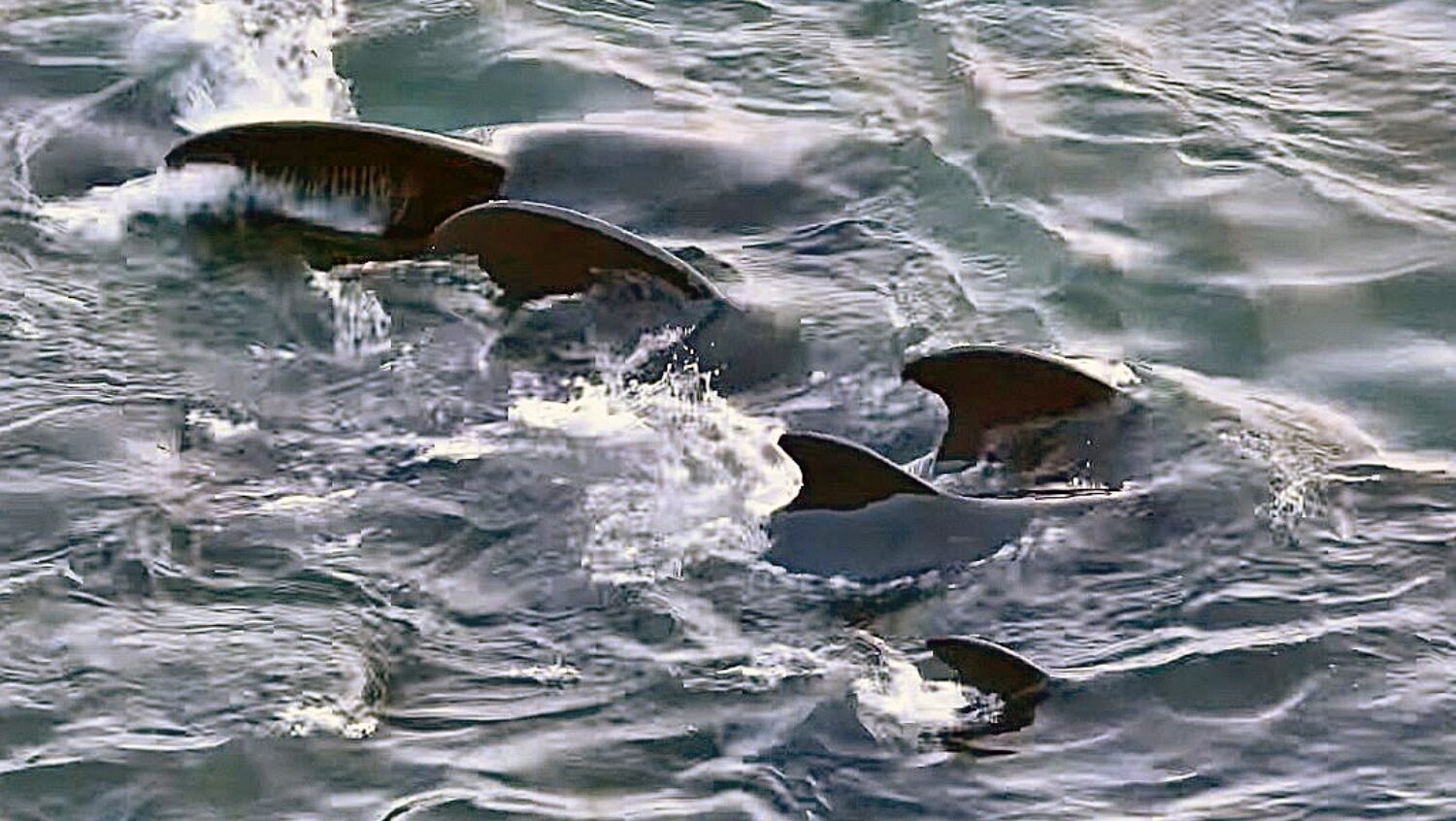
Pilot Whales in the Cove! Photo Credit: Kunito Seko
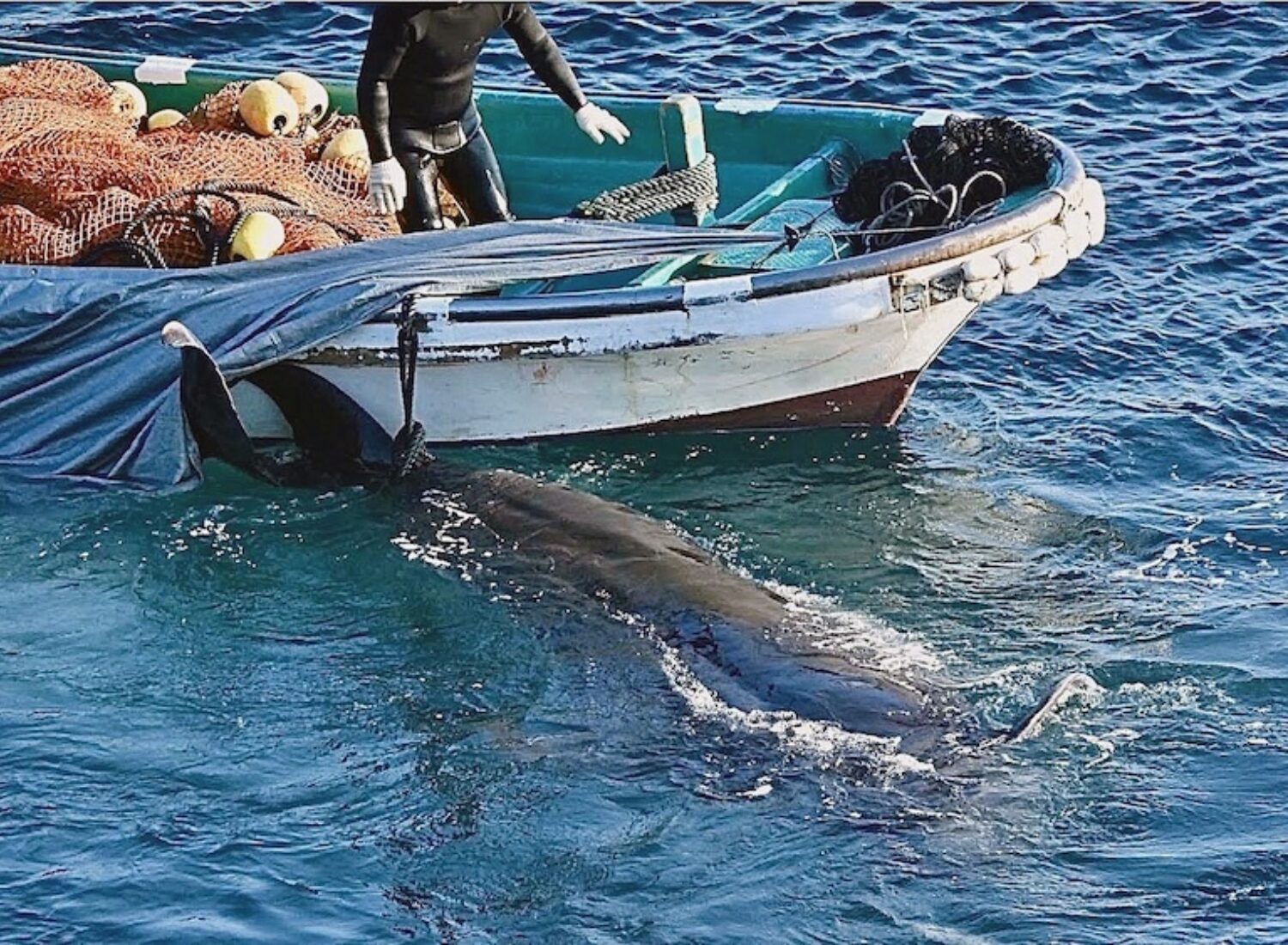
Dead Pilot Whales Dragged Off to Meat Shop. Photo Credit: Kunito Seko
The short-finned pilot whale is subject to the hunts during the drive hunt season, but an extra month provides the Taiji dolphin hunters with the opportunity to harpoon them offshore into April, while the drive hunts end on March 1st.
This species is a large dolphin, and they tend to accumulate very high levels of mercury and PCBs in their flesh. Their meat should not be eaten by anyone, but the Japan government ignores the health implications of eating dolphin meat.
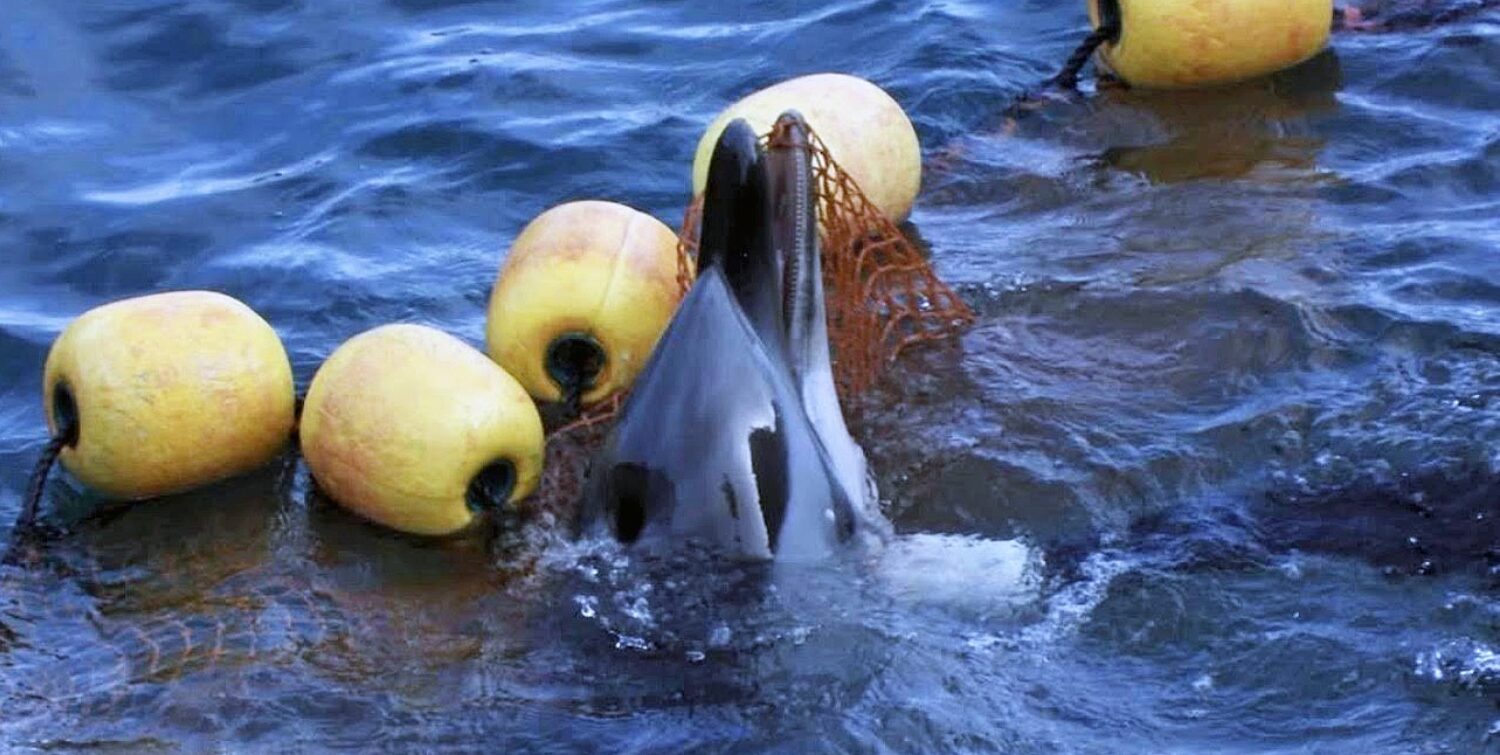
A Striped Dolphin is Caught in Netting in the Cove. Photo Credit: Kunito Seko
Striped dolphins run in very large pods along the coast. They do poorly in captivity, but make up the largest quota of all the species at Taiji. Currents and other ocean conditions can vary from year to year, resulting in some years where no striped dolphins are killed at all during a season.
Last season (2024-25), at least 157 striped dolphins were slaughtered for meat, while three were brought into captivity.
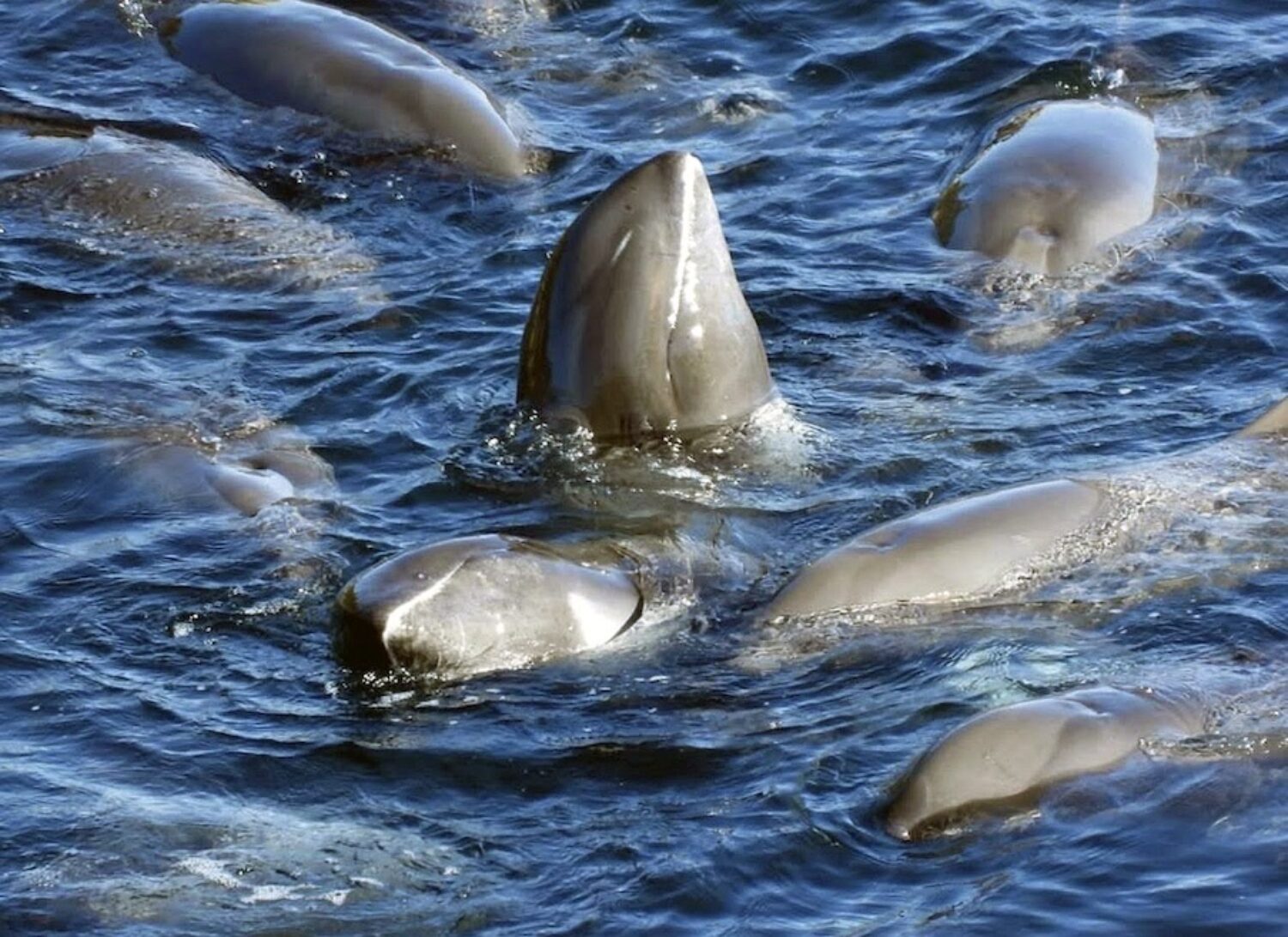
Melon-headed Whales Circle in Fear in the Cove. Photo Credit: Kunito Seko
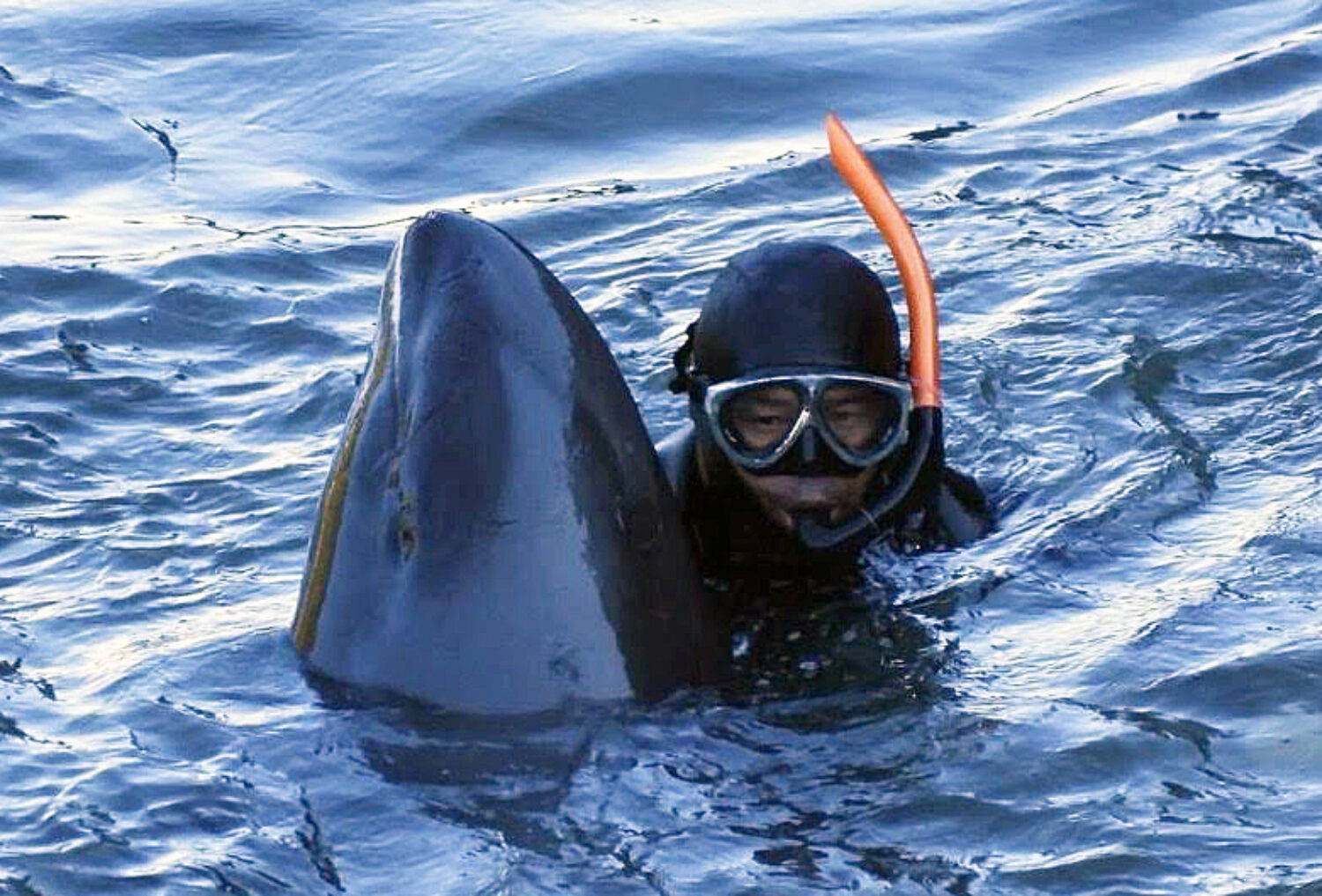
A Melon-headed Whale is Grabbed by a Diver. Photo Credit: Kunito Seko
The melon-headed whale, another large dolphin, was only added to the quota list by the Japanese Fisheries Agency a few years ago. Ever since then, the species has suffered from the annual slaughter.
Last season, about 31 were killed for their meat.
Every year, more dolphins die in Taiji for no good reason, except greed and indifference to suffering.
The International Marine Mammal Project of Earth Island Institute, with our colleagues like Kunito Seko in Japan, are seeking a permanent end to the slaughter of whales and dolphins in Japan. These hunts cannot continue.
WHAT YOU CAN DO:
Sign our petition to Japan’s Prime Minister Sanae Takaichi. https://savedolphins.eii.org/take-action/take-action-save-japan-dolphins
**********************************
The whales and dolphins of Japan are being ruthlessly and inhumanely slaughtered for food that is not fit for human consumption. Some wild dolphins face a lifetime of misery in small concrete tanks, until they die, only to be replaced by more Taiji captures. Your support for whale and dolphins is critically needed now, as we face the recalcitrance of the Japanese government and the dolphin killers. Please help with a donation today for the protection of whales and dolphins, and an end to the exploitation of these remarkable and sentient beings. Thank you!