Taiji Hunters Kill Ten Dolphins on First Day of Hunt
By Mark J. Palmer
Photography by Kunito Seko
Warning: Graphic Images that Might be Disturbing
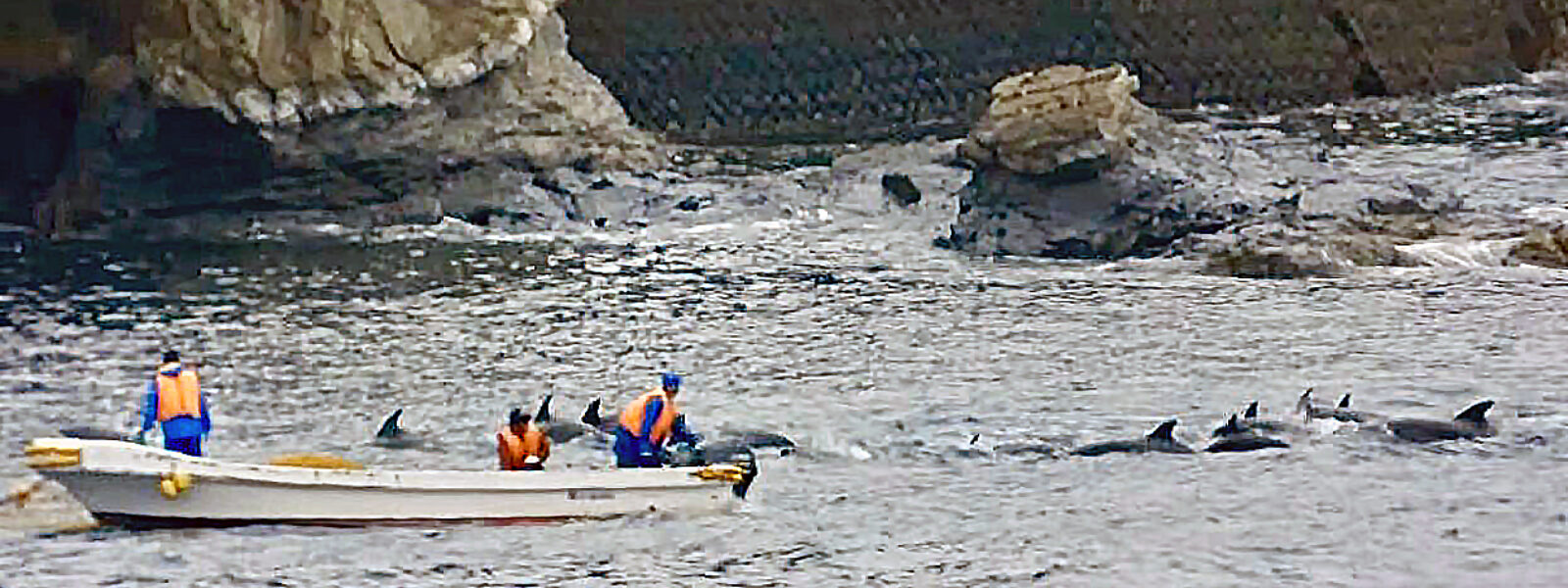
On September 1st, the first day of the 6-month dolphin slaughter season in Taiji, Japan, the hunters were able to find a pod of ten Risso’s dolphins, including calves, and all were slaughtered for meat.
The real goal of the hunts, as we have noted repeatedly, is to find dolphins, especially bottlenose dolphins, that they can catch, tame, and sell to aquariums in Japan, China and the Middle East.
So, the finding of a pod of Risso’s dolphins (which are occasionally caught for captivity – the notorious Taiji Whale Museum, which helps coordinate and broker the live dolphins, has several captive Risso’s dolphins) was not really what the hunters were after if they were seeking a big payday. But they slaughtered them for dolphin meat that most Japanese people won’t eat.

Trapped Risso's dolphins circle in the notorious Cove in Taiji, Japan. They will soon be slaughtered and sold in markets as meat. Photo Credit: Kunito Seko
Kunito Seko, a photographer and resident of Taiji, has been following the hunts and documenting the slaughter and captures for several sad seasons in Taiji. He rises early every day of the season and greets the rising sun from an overlook of the Taiji harbor, watching to see if the hunter’s boats head out to seek dolphins.

Divers manhandle a Risso's dolphin to drag them under tarps, where they are killed. Photo Credit: Kunito Seko
If they find dolphins, the hunters herd the terrified animals into the Cove to slaughter them under the cover of tarps. But the blood flows out from under the tarps into the Cove despite the best efforts of the hunters. (The hunters actually grab a dolphin, shove a spike into the neck to cut their spinal cords, and then plug the wound with a wooden block simply to prevent more blood from spewing out for Kunito and other photographers to record.)
Then the dead bodies are covered with tarps and dragged off to the Taiji slaughterhouse. Tomorrow, stores will be selling fresh dolphin meat in Taiji.
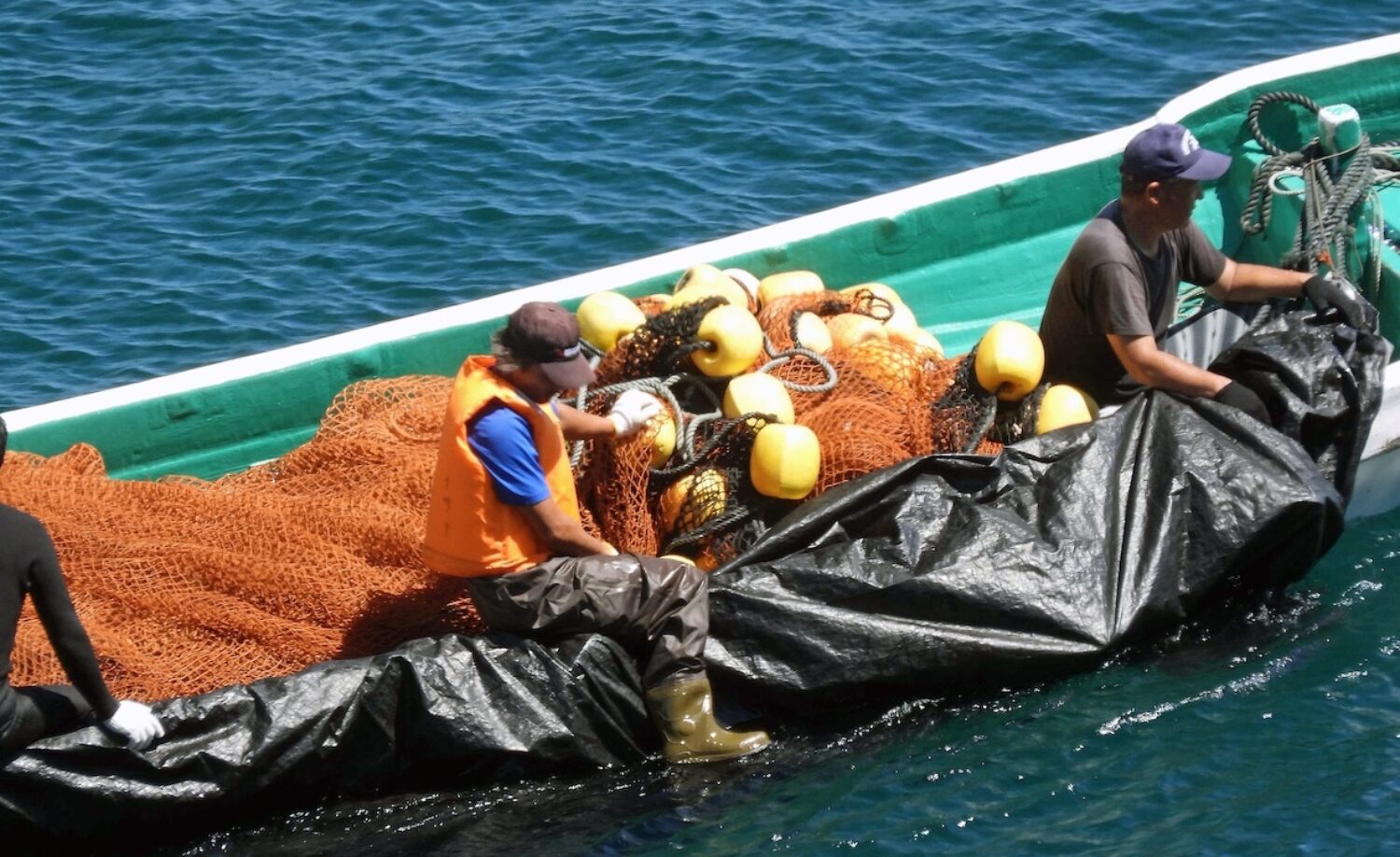
A Taiji boat, with tarps covering the now dead Risso's dolphins, speeds off to the slaughterhouse in Taiji. Photo Credit: Kunito Seko
Sadly, this is just the carnage of the first day of the 6-month season!
The new quotas for the season have just been published by the Japan Fisheries Agency. Thanks to Ms. Megumi Matsuda, we can share them with you.

Taiji Dolphin Kill Quotas for the 25-26 Season. Graphic Credit: Meguml Matsuda
These seasonal quotas are laughable: The quota for last season, when an aggregate of just under 400 dolphins were captured or killed by Taiji hunters, in contrast to the quotas, which, in aggregate, equal 1,812 dolphins.
This year, the quotas, despite last year’s poor catch, are exactly the same. Mind you, the Fisheries Agency is quite willing to ignore instances when the high quotas for one species or another are exceeded. They simply count the error against next year’s slaughter.
Last season’s hunts had the lowest number of slaughtered dolphins ever in recent years, with 298 dolphins slaughtered for meat, versus the previous season high of 833 dolphins slaughtered. The hunters were still able to capture 92 dolphins to sell into captivity, so financially, the season may pay off if they can sell their live dolphins. Dolphins slaughtered for meat bring in little money.

A frame from The Cove documentary. The film was released in 2009, and subsequently, the tarps went up over the beach to prevent these kinds of graphic photos of the slaughter. Photo Credit: Oceanic Preservation Society
Why the decline in finding dolphins? In part, it is due to the work of the International Marine Mammal Project and other organizations in educating the people of Japan on the dangers of eating mercury-contaminated dolphin meat, a huge health hazard. And it is likely due to the depletion of several dolphin species offshore Japan (none of the dolphin species hunted by Taiji – nine species in total – is considered endangered globally, but local depletion and even extinction is a possibility).
The hunters, not wanting to blame themselves or admit the health dangers, contend the cause is changes in currents off Japan due to global warming, and there is likely some truth in that.
In any event, the killing is expected to last until the end of February 2026. There will then be a 6-month hiatus until the next season begins again.
Taiji is now hell on Earth for dolphins for another six months.
What You Can Do:
Yahoo! Japan is selling whale and dolphin products online. For more information, go here.
Go to the social media platforms of Yahoo! Japan and the LY Company to protest the sale of whale, dolphin, and porpoise meat via Yahoo! Japan.
Yahoo! Japan
Company sells almost 1,000 cetacean products. Part of LY Corporation.
Twitter @Yahoo_JAPAN_PR
LY Corp.
The parent company of Yahoo! Japan
CEO Takeshi Idezawa
https://www.linkedin.com/company/lycorpjp/people/
Thank you for your support!
***********************************
The International Marine Mammal Project of Earth Island Institute continues our efforts to end the slaughter of dolphins and captures for captivity in Taiji, Japan. We’ve made some progress in reducing the killings, but the hunts still continue. Help save the lives of dolphins in Taiji and elsewhere around the world with a donation today. We appreciate your help! The dolphins of Japan are at risk, and we will not stop until the hunts end.