Tuna RFMOs, Marine Mammal Bycatch, and the Legacy of the Dolphin Safe Tuna Label
By IMMP Staff
Tuna is one of the most sought-after fish in the world, fueling a multibillion-dollar global industry. But the massive scale of tuna fishing comes with a lesser-known cost: the unintentional capture and death of marine mammals such as dolphins, whales, and porpoises -- collectively known as bycatch.
International bodies known as Regional Fisheries Management Organizations (RFMOs) are at the forefront of managing tuna stocks and, increasingly, minimizing environmental harm.
At the same time, advocacy movements — most notably the Earth Island Institute’s Dolphin Safe Tuna label — have transformed how we think about ethical seafood. The International Marine Mammal Project (IMMP) is part of Earth Island Institute, and has pioneered the use of ethical consumer labels to protect dolphins and other marine life.
What Are Tuna RFMOs?
Tuna RFMOs are intergovernmental bodies responsible for managing tuna fisheries in specific ocean regions. They bring together member countries that harvest tuna, setting regulations on quotas, fishing gear, seasons, and conservation measures. These organizations were formed by formal treaties between the nations represented in the fishery, although not all nations participate.
The five main tuna RFMOs include:
- Inter-American Tropical Tuna Commission (IATTC) – Eastern Pacific Ocean
- International Commission for the Conservation of Atlantic Tunas (ICCAT) – Atlantic Ocean
- Indian Ocean Tuna Commission (IOTC) – Indian Ocean
- Western and Central Pacific Fisheries Commission (WCPFC) – Western and Central Pacific
- Commission for the Conservation of Southern Bluefin Tuna (CCSBT) – Southern Ocean
While RFMOs originally focused on preventing overfishing and rebuilding depleted tuna stocks, they've increasingly expanded their mandates to include ecosystem-based approaches, particularly addressing bycatch, including marine mammals.
Marine Mammal Bycatch in Tuna Fisheries
Marine mammal bycatch is a serious ecological issue. Dolphins, porpoises, and even whales can become entangled in fishing nets—especially purse seine nets and gillnets used in some tuna fisheries.
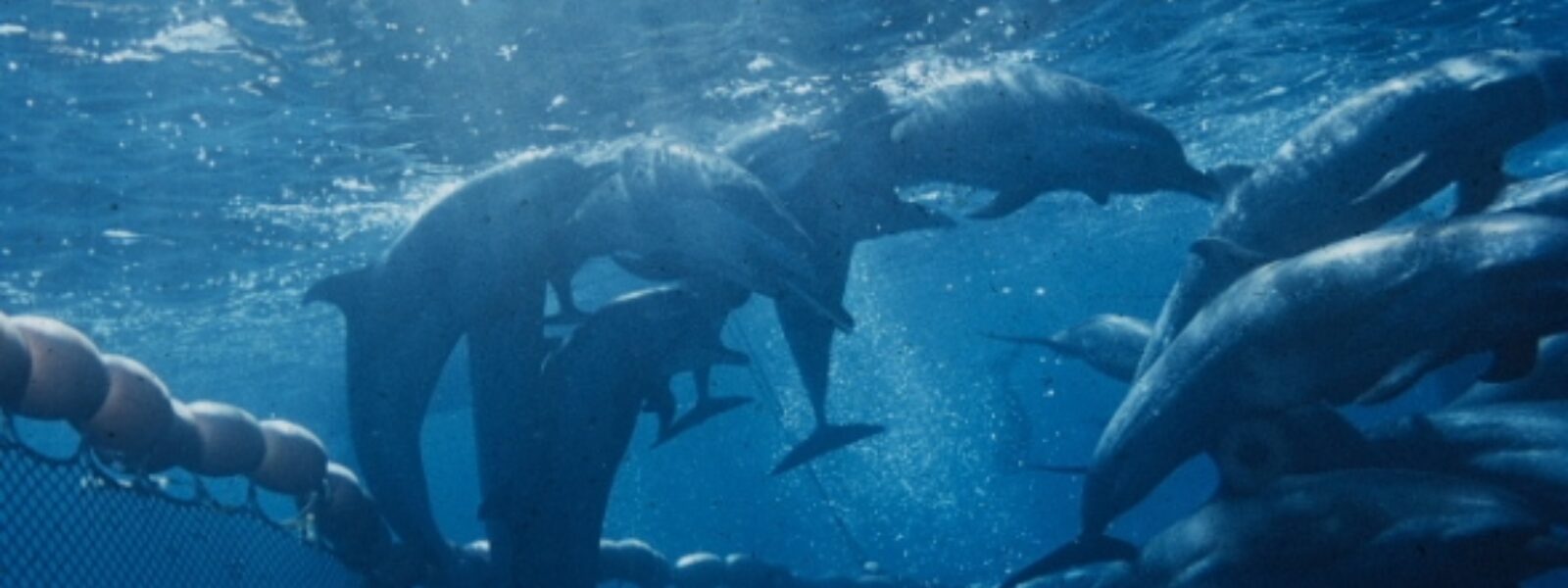
In the Eastern Tropical Pacific (ETP), tuna and dolphins often swim together. For decades, fishing fleets deliberately set nets around dolphin pods to catch the tuna swimming beneath them—a practice that led to the deaths of more than 7 million dolphins between the 1950s and 1980s.
Despite improvements in fishing practices and regulation, marine mammal bycatch still occurs globally. Its scale varies by region and gear type, but it's especially troubling in areas with poor monitoring and enforcement. A further problem is nations and tuna companies that refuse to follow Dolphin Safe standards and fish by chasing, harassing, netting, and killing large numbers of dolphins. Notably, tuna vessels from Mexico, Venezuela, Colombia, and a few other countries continue to net dolphins to catch tuna.
The Earth Island Institute’s Dolphin Safe Tuna Label: A Turning Point
Public awareness of dolphin deaths in tuna fishing exploded in the late 1980s thanks to investigative journalism and growing environmental activism, led by the campaign launched by IMMP. In response, the Earth Island Institute’s IMMP launched the Dolphin Safe Tuna label in 1990 – the first eco-label aimed at changing consumer behavior in seafood markets.
To be certified "Dolphin Safe," tuna must be caught without:
- Setting nets on dolphins
- Any observed dolphin deaths or serious injuries
- Using drift gillnets (in most cases)
The label quickly gained traction. By the early 1990s, major U.S. tuna brands like Starkist, Bumble Bee, and Chicken of the Sea adopted the standard, and U.S. law began supporting dolphin-safe labeling via the Marine Mammal Protection Act and the 1990 Dolphin Protection Consumer Information Act.
While the movement saved countless dolphins and redefined seafood consumer ethics, it also sparked international debate. Some countries, notably Mexico, challenged the label as a trade barrier, resulting in high-profile disputes at the World Trade Organization (WTO). The U.S. ultimately prevailed in maintaining the label with stricter transparency and monitoring rules, thanks in part to IMMP’s role in providing critical information to the WTO about Dolphin Safe fishing.
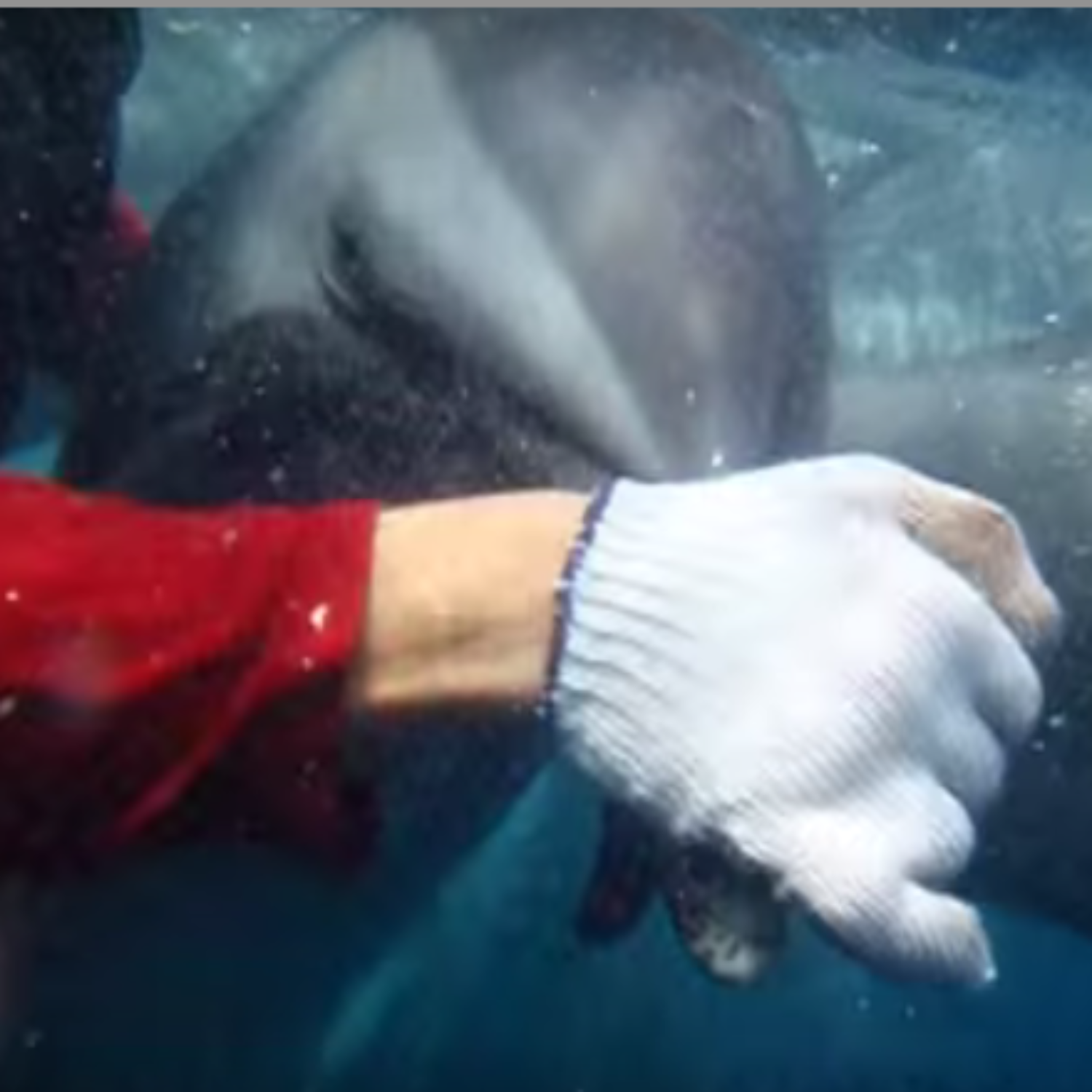
Some countries, notably Mexico, continue to advocate chasing and netting dolphins. The result is dolphins being trapped in the nets, where crew members manhandle them out of the net (not always successfully). This photo is a frame grab from a company promoting their tuna, caught at the expense of dolphins.
What Are RFMOs Doing Today to Protect Marine Mammals?
Tuna RFMOs have taken steps — some more ambitious than others — to reduce marine mammal bycatch. Here’s a breakdown of key RFMO actions:
1. Inter-American Tropical Tuna Commission (IATTC) – Eastern Pacific
- Oversees the Agreement on the International Dolphin Conservation Program (AIDCP)—a legally binding agreement focused on reducing dolphin mortality.
- Requires 100% observer coverage on large purse seine vessels.
- However, the IATTC does not recognize IMMP’s Dolphin Safe standards, and it continues to promote the chasing and netting of dolphins to catch tuna. Fortunately, many tuna fishers ignore the IATTC weak standards.
2. International Commission for the Conservation of Atlantic Tunas (ICCAT) – Atlantic Ocean
- Requires reporting on marine mammal interactions.
- Encourages use of best practices to release entangled mammals.
- However, enforcement and observer coverage are still limited compared to the ETP.
- Since tuna generally do not swim with dolphins in the Atlantic Ocean, tuna fishers rarely encounter issues with dolphin bycatch in this tuna fishery.
3. Indian Ocean Tuna Commission (IOTC) – Indian Ocean
- Mandates reporting on marine mammal interactions.
- Promotes gear modifications and release protocols.
- Supports 100% observer coverage on tuna purse seiners.
- Ongoing discussions are taking place about increasing observer coverage and electronic monitoring.
- Prohibits setting nets on marine mammals to catch tuna.
4. Western and Central Pacific Fisheries Commission (WCPFC) – Western/Central Pacific
- Includes marine mammals in its ecosystem-based management strategy.
- Supports 100% observer coverage on tuna purse seiners.
- Encourages release protocols and prohibits deliberate harm.
- Observer coverage remains uneven, especially on smaller vessels.
- Prohibits setting nets on marine mammals to catch tuna.
- Since tuna generally do not swim with dolphins in the Western and Central Pacific Ocean, tuna fishers rarely encounter issues with dolphin bycatch in this tuna fishery.
5. Commission for the Conservation of Southern Bluefin Tuna (CCSBT) – Southern Ocean
- Focused primarily on tuna stock recovery but coordinates with other RFMOs on bycatch issues.
- Still developing robust marine mammal bycatch policies.
- Since bluefin tuna do not swim with dolphins, tuna fishers rarely encounter issues with dolphin bycatch in this tuna fishery.
Challenges and the Road Ahead
Despite progress, several challenges remain:
- Observer coverage is inconsistent, especially in regions with small-scale fleets. IMMP continues to push for increased observer coverage.
- Electronic monitoring technologies are promising but not yet widely adopted. IMMP has led efforts to encourage use of electronic monitoring, including closed-circuit television (CCTV) onboard all vessels.
- Enforcement gaps persist, particularly in areas with limited capacity or political will.
- Data on bycatch remains patchy, hindering transparency and accountability. Generally, detailed bycatch data traceable back to vessels is not made available to anyone. IMMP is pushing for more transparency in RFMO research and bycatch data.
However, there’s reason for optimism. Innovations in gear technology, increased cooperation among RFMOs, and market-driven incentives like eco-labels are helping shift the tide.
Furthermore, organizations like IMMP continue to both monitor and pressure RFMOs to improve management, access to data, and electronic and observer coverage of tuna fishing.
Conclusion: A Shared Responsibility
The story of marine mammal bycatch in tuna fisheries is one of tragedy, activism, innovation, and international cooperation. The Dolphin Safe Tuna label, pioneered by IMMP of the Earth Island Institute, helped ignite a global movement that continues to influence both policy and consumer behavior today.
Meanwhile, tuna RFMOs—while sometimes slow and politically complex—are evolving to meet the demands of sustainable and ethical fisheries. As public pressure continues and new technologies emerge, these institutions have a growing responsibility to protect marine mammals and preserve ocean ecosystems for future generations.
As a pioneer in eco-labeling and in persuading tuna companies to operate with environmental responsiblility, IMMP is moving forward, challenging the industry to reduce bycatch, not just of dolphins, but also of sharks, sea turtles and marine birds.
IMMP was the first organization to advocate live release of sea turtles from tuna purse seine nets. IMMP addressed that issue, proposing language that was adopted by the US Congress in 1997, and subsequently several of the RFMOs have taken steps to require release of netted sea turtles.
If you buy tuna, we encourage you to purchase tuna with a Dolphin Safe label. You can also check our online list of tuna companies that are part of our Dolphin Safe program.
Visit our website for more information.
*****************************
More than 7 million dolphins have been killed by tuna fishermen before the Dolphin Safe program came into effect in 1990. Dolphin deaths have subsequently been reduced by 98%. Your support is a key to the success of protecting the lives of thousands of dolphins annually. If you buy tuna, only buy legitimate Dolphin Safe tuna. Your donation will help save thousands of dolphins, whales and other marine mammals, while also benefitting the larger ocean environment. Thank you for your support!
