What if Trump Offered an Oil Lease Sale, and Nobody Came?
By Mark J. Palmer
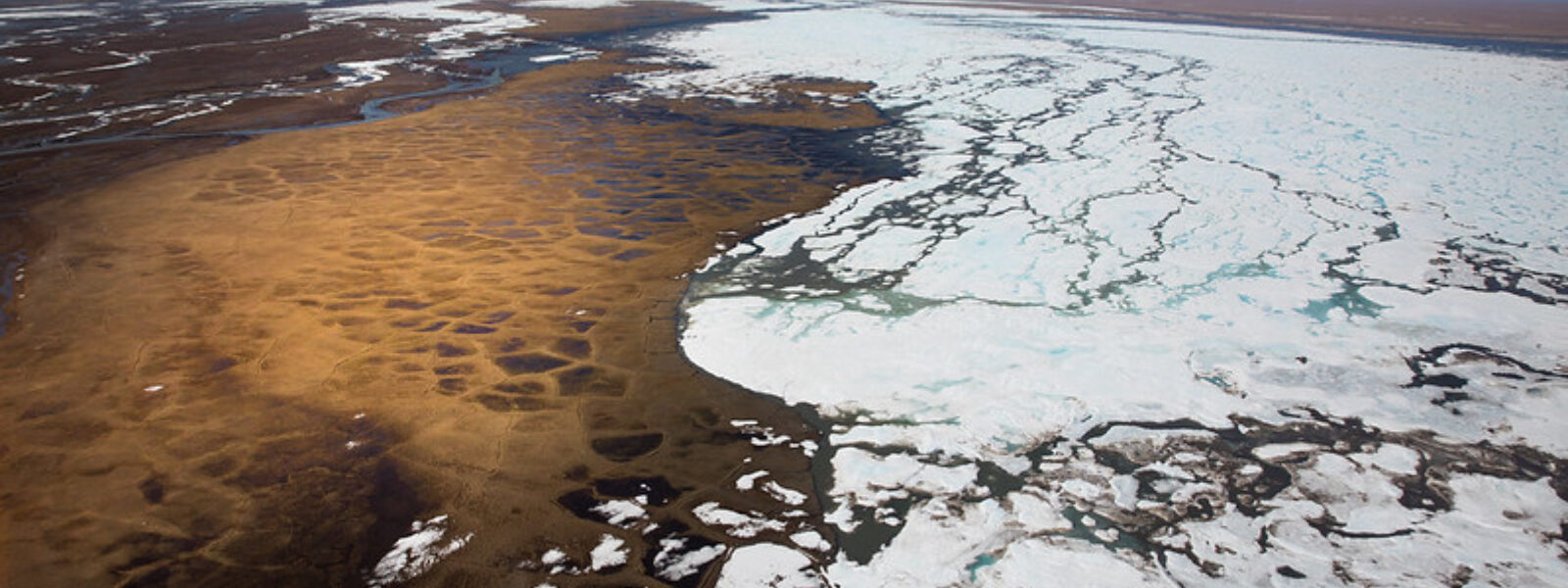
The Arctic National Wildlife Refuge is one of the largest protected areas in the world. Located in the northeast corner of Alaska, the Refuge has long been contentious because the coastal plain, the heart of the refuge, has oil potential. Nobody knows for sure until they do seismic exploration or start drilling.
This has not dissuaded some with oil ambitions, especially the state of Alaska, which receives immense revenue from oil drilling on the Arctic Slope around Prudhoe Bay, to the west of the refuge. But that oil field is nearing the end of its viability, so some have focused on drilling in the Arctic National Wildlife Refuge.
The refuge was protected temporarily from drilling with the passage of the Alaska National Interest Lands Conservation Act in 1980. Congress refused to protect the coastal plain with a wilderness designation, but the question of leasing the area was kicked down the road.
Unfortunately, when Congress passed the Big Beautiful Bill (yes, that’s what they called it – Big Bloated Taxpayer Ripoff is a better term), in 2025, but in order to get Senator Lisa Murkowski (R-Alaska) to vote for the package, the Republican leadership inserted an amendment mandating oil leasing in the refuge, a truly cowardly act.
Last Friday, June 5th, the Trump administration held the first lease sale for the Refuge, expecting millions of dollars in revenue from the oil industry leases.
It was not to be.
Organizations, including the Alaska Wilderness League and the Sierra Club contacted oil companies, urging them not to attend the leasing sale and leave the Arctic Refuge alone. And the major oil companies did not show up. The International Marine Mammal Project of Earth Island Institute was part of this effort, signing on to letters circulated with the oil industry.
As a result, the desultory bidding made little headway. Only nine bids from two groups, the state-sponsored Alaska Industrial Development and Export Authority (AIDEA) and HEX Energy LLC, neither with the resources to actually do much drilling, for a total of less than $4 million in revenue. Paltry, by any standards.
This is not the end, of course. Trump’s personal zeal to drill for oil anywhere and everywhere is still a major threat to public lands and our oceans. The administration will continue to try to lease areas to the oil industry unless stopped by the courts, by Congress, or by voters.
In the meantime, the seasons continue in the Arctic National Wildlife Refuge: The Porcupine caribou herd uses the coastal plain to give birth to their young in the spring. The tundra during the short summer hosts a myriad of birds nesting and feeding, before migrating south to the US and other countries.
The coastal plain is the only place in Alaska where polar bears den onshore – an important behavior that may save the species as Arctic ice continues to disappear.
The impact of oil drilling on the refuge will be immense, with construction of roads and pipelines, drilling pads, and other infrastructure interfering with caribou movements and bear dens. Wolves and bears are often shot in such areas to protect the oil staff. Oil and chemical spills are inevitable. Infrastructure would also facilitate offshore oil drilling, which would require separate leases, in the habitat of bowhead whales and belugas.
Some places are just too precious to sacrifice to oil drilling. We should instead focus on green alternatives to provide our energy and avoid global warming, while keeping important wildlife habitats free of industrialization. Keep the Arctic Refuge as a REAL refuge for the animals.
*********************
You can help protect the wildlife of the Arctic National Wildlife Refuge, as well as whales and dolphins around the world. Many are threatened by oil drilling, including offshore oil drilling. Donations to the International Marine Mammal Project of Earth Island Institute are going to help list the gray whale as an Endangered Species and fight regulatory changes in ship strike protections for the North Atlantic right whale. Our Dolphin Safe program saves the lives of an estimated 90,000 dolphins each year. Your donations are tax-deductible. Thanks for your support!