A Call to End Whaling in Norway
By: Rosemary Ellis
Despite international efforts to curtail whaling practices, the government of Norway and its whaling industry persist in commercial hunts, disregarding the ethical, ecological, and economic implications.
The hunting season unfortunately opened on April 1st, and the quota (number of whales they are allotted to kill) has increased from last year. As of April 29th, seven vessels have been active, and 55 minke whales have been killed so far, compared to 37 during this time last year.
As the world increasingly recognizes the intrinsic value of whales beyond their commercial worth, it becomes imperative to denounce Norway's continued pursuit of whaling and advocate for sustainable alternatives that prioritize the well-being of the whales and the health of our planet.
A Brief History
Norwegian involvement in whaling predates modern commercial practices, with records dating as far back as the ninth century. Over the centuries, technological advancements, such as the exploding harpoon cannon developed in the 19th century, propelled Norwegian whaling to an industrial scale, dominating the global industry by the mid-1930s.
However, international conservation efforts in response to declining whale populations and concerns over the sustainability of whaling practices, culminated in the establishment of a global moratorium on commercial whaling in 1982, with the ban officially taking effect in 1986.
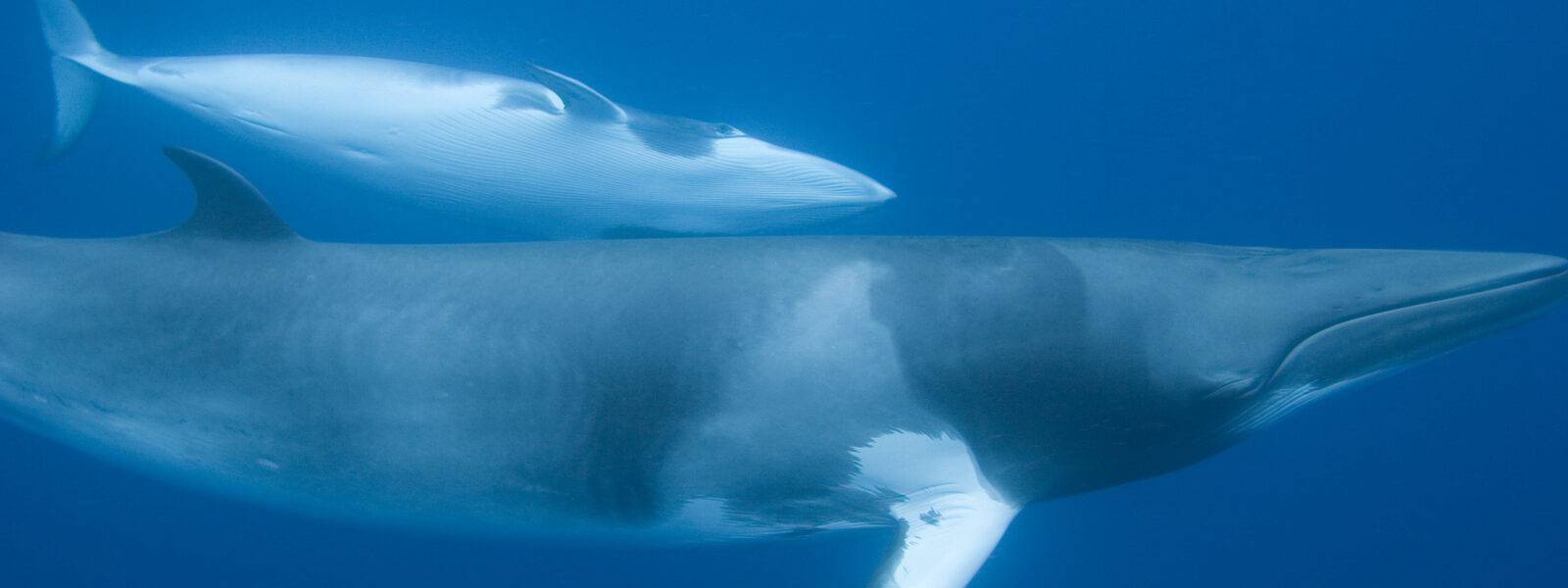
Despite being a member of the International Whaling Commission (IWC), Norway objected to the moratorium, asserting its right to continue commercial whaling under its own terms. Since 1993, Norway has annually hunted hundreds of minke whales, the smallest of the baleen whales, justifying its actions as sustainable and legal. However, critics argue that Norway's quotas, not approved by the IWC, are set without scientific consensus and fail to consider the broader implications on marine ecosystems.
The Ethical Dilemma
Central to the debate are the ethical implications of killing the whales during hunts. While Norwegian authorities assert the humaneness of their methods, scientific evidence paints a different picture. Whales are typically shot with grenade harpoons, causing prolonged suffering before death, with some individuals enduring up to 25 minutes of agony.
Moreover, a disturbing trend emerges as approximately 70% of the whales killed are females, many of them pregnant. Females are often targeted by hunters because they travel more slowly and often stick closer to shore. Of the 507 minkes hunted in 2023, 335 were females. This targeting of pregnant whales not only raises concerns about genetic diversity and population growth but also highlights the inherent cruelty of the industry.
Environmental Impact
Beyond ethical considerations, the environmental ramifications of Norwegian whaling loom large. Whales play a crucial role in the health of the ocean, regulating populations of prey species and enhancing biodiversity. Whale feces can stimulate the growth of plant plankton which absorb carbon dioxide and produce oxygen.
Whales also store carbon in their bodies, and, when they die, their bodies sink to the bottom of the ocean and are an important source of food for small marine animals and fish. This means that whales play a role in maintaining a healthy fish population.
By killing whales, many of whom are pregnant females, Norwegian whaling not only disrupts these delicate ecosystems but also undermines global efforts to combat climate change. Many whale species were decimated by Norwegian whaling, resulting in a weakening of the ocean food chain as well as exacerbating global warming.
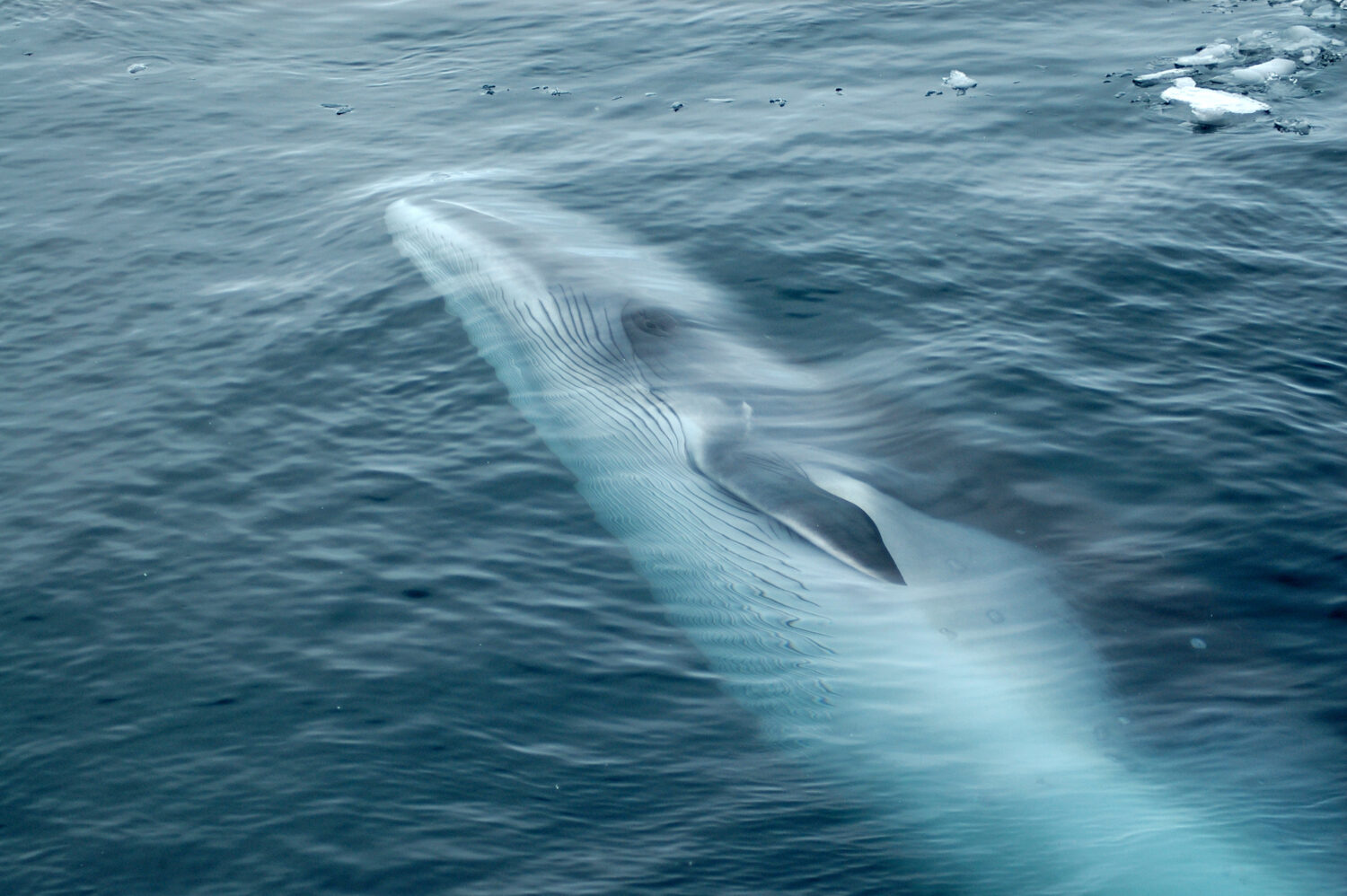
Minke whales are the smallest baleen whale and were largely ignored during the heyday of whaling. Now, they are the only species with relatively large populations worldwide. But some populations have been reduced due to continued whaling in recent years. Photo Credit: iStock.
Declining Demand and Economic Realities
Contrary to claims of cultural significance, Norway's whaling industry faces dwindling domestic demand for whale meat. A 2021 survey found that only 2% of Norwegians eat whale meat often (down from 4% in 2019), while no one under 35 reported eating whale meat often.
Whale products frequently contain high levels of mercury, PCBs, or DDT, sometimes surpassing safe consumption limits by up to 5000 times. Additionally, they have been found to contain insecticide chemicals like aldrin, dieldrin, and chlordane, which are linked to birth defects, neurological damage, and certain cancers when consumed in large amounts by humans.
With Norwegians having little interest in consuming minke whale meat, there is no reason to continue killing such gentle and peaceful animals. Moreover, declining catch numbers, falling prices for whale meat, and increasing operational costs paint a grim picture of the industry's future viability. Despite government subsidies and marketing campaigns aimed at promoting whale meat consumption, the economic rationale for continued whaling appears increasingly untenable.
Unfortunately, despite the lack of demand, the Norwegian government continues to set high quotas and fund promotional campaigns (largely marketing towards tourists) and research into alternative uses of whale products, including animal feed, supplements, and skincare products. The number of whales it can kill during its 2024 whaling season is 1,157 minkes. This is an increase of 157 whales from the 2023 quota.
The Path Forward
Norway has quietly become the world’s leading whaling nation, killing more whales in the past years than Japan and Iceland combined. As Norway grapples with the future of its whaling industry, calls for reform grow louder.
Advocates urge Norway to embrace sustainable alternatives, such as responsible whale watching, which not only preserves cultural heritage but also promotes environmental stewardship. Embracing such initiatives would not only align with global conservation goals but also position Norway as a leader in marine conservation and sustainability.
The commercial hunting of whales shouldn't be allowed. It's imperative to move beyond outdated practices and embrace solutions that safeguard both whales and the planet. As the world confronts the urgent challenges of climate change and biodiversity loss, Norway stands at a crossroads, tasked with reconciling its past with a sustainable future for its people, whales, and the planet.
**************************************************
Norway, Japan, and Iceland are outliers in the world, stubbornly continuing whaling despite global efforts to allow whale populations to recover from intense whaling in the 20th century.
The International Marine Mammal Project of Earth Island Institute has been in the forefront of organizations supporting an end to commercial whaling. There is no need today to kill these sentient and beautiful whales for trivial purposes. You can help minke and other whales with a donation to our work. Please help save the whales.