Latest news
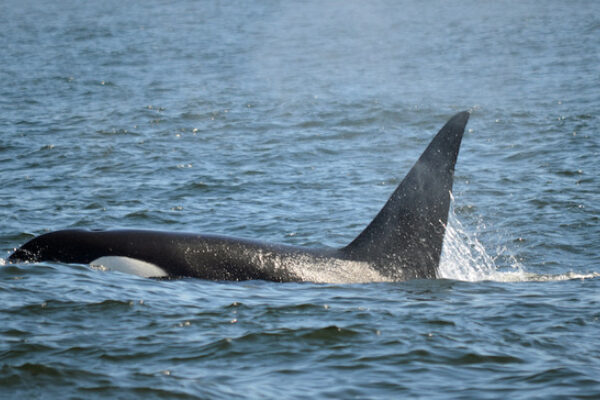
A great and moving tribute to the endangered orcas of the Pacific Northwest, "Spirits of the Coast" is a book for every orca lover.
Read More >
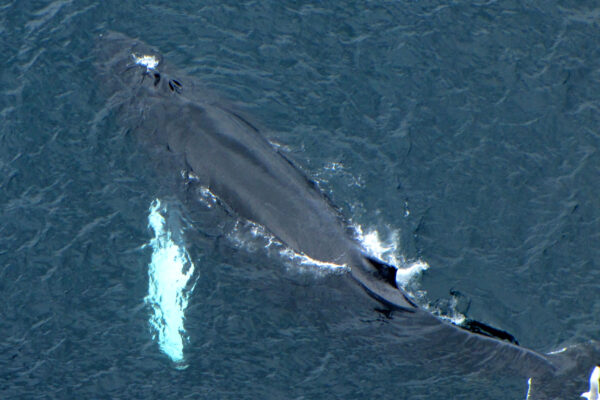
Friend of the Sea, a sister group of the International Marine Mammal Project, has awarded MSC Cruises with their Whale Safe award, due to the precautions taken by MSC Cruises to avoid hitting whales.
Read More >

Despite promises to combat global warming, the Biden Administration is again offering oil leasing on thousands of acres of public lands -- lands that belong to you and me. Yet, the oil industry rakes in record profits.
Read More >
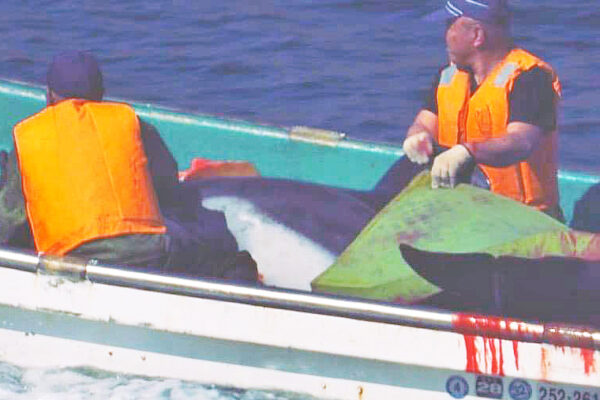
Mr. Kunito Seko is an activist living in Taiji. His story is one of hope, as he grew to understand the cruelty and the damage that captures of dolphins in Taiji for captivity was causing these sentient beings. See his photos of the hunts, and read his words in Japanese and English.
Read More >
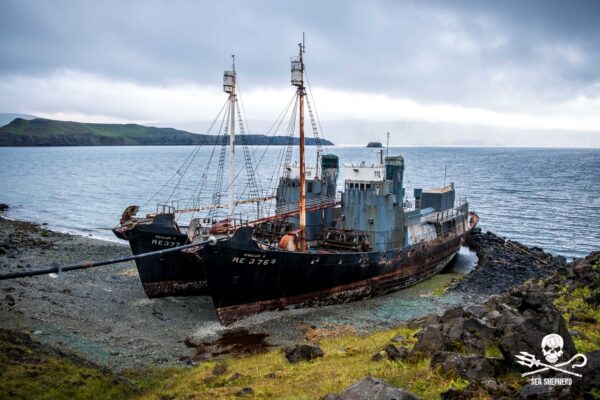
Despite government reports, Iceland's richest man has stubbornly decided to have his company go whaling again this summer, threatening fin whale populations in the North Atlantic.
Read More >
In keeping with United Nations goals, countries in Latin America, with the help of scientists and activists, are establishing marine protected areas. Here's an update from Earth Island's Dr. Angel Herrera in Costa Rica.
Read More >

The police of Wakayama, Japan, are investigating a complaint by environmentalists that mercury levels in dolphin meat far exceed Japanese health standards. The International Marine Mammal Project pioneered the testing of dolphin meat in Taiji and supports the action, hoping that the government will at last protect human health by ending the dolphin hunts.
Read More >
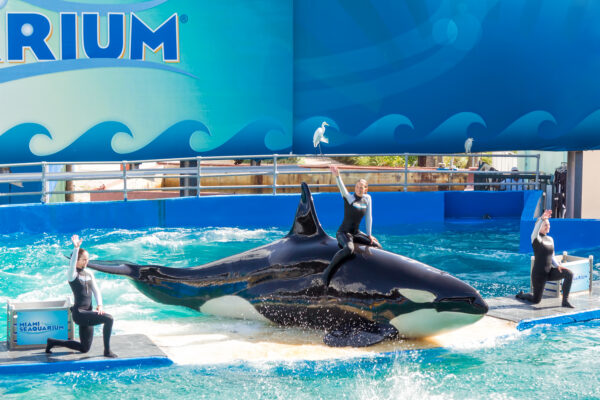
Tokitae (also known as Lolita) is one of the oldest orcas in captivity, where she has languished for years in the Miami Seaquarium, alone except for dolphin companions. Now, a new owner is retiring Tokitae, so she will no longer do shows for tourists.
Read More >
The history of the drowning of millions of dolphins by the tuna industry turned a corner in 1990, when US tuna giants agreed to work with the International Marine Mammal Project to establish Dolphin Safe fishing standards that avoid harm to dolphins and other marine life.
Read More >
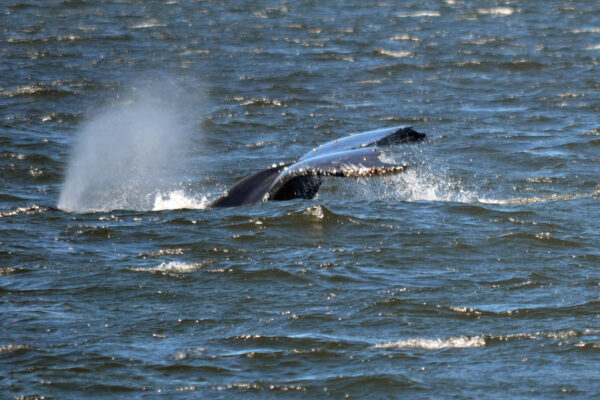
For 50 years, the Marine Mammal Protection Act (MMPA) has been a powerful tool to protect whales, dolphins, seals & sea lions, sea otters, and manatees in the US. But, the MMPA has been weakened by both Congress and dubious administrative action. The MMPA is to be celebrated, but also strengthened!
Read More >
Page 22 of 76 pages First Page < 17 18 19 20 21 22 23 24 25 26 27 > Last Page
Campaign Top News
- International Marine Mammal Project >
-
-
From pushing for sanctuaries for Wikie & Keijo and 30 beluga whales, to opposing attempts to gut the Endangered Species and Marine Mammal Protection Acts, to protecting wetlands in the Barataria basin, the International Marine Mammal Project has accomplished a great deal in 2025 for whales and dolphins.
-
What is it like being a student intern at the International Marine Mammal Project? An internship can be life-changing for a student. Our intern Jillian talks about her experience with IMMP.
-
From battling the whaling industry in Japan and Iceland, to exposing the continued slaughter of dolphins in Taiji, Japan, to saving the lives of tens of thousands of dolphins annually through Dolphin Safe tuna, the International Marine Mammal Project has accomplished a lot in 2024.
- More Stories >
-
- Save Japan Dolphins >
-
-
Dolphin captures in Taiji, Japan, occurred on the first of Sept. Now follows 6 months of slaughter and capture of dolphins in the notorious Cove. Our colleague Kunito Seko documented the opening catch of bottlenose dolphins, all destined for a miserable life in captivity.
-
The Taiji dolphin drive hunts have again ended, killing hundreds of dolphins for meat after removing "show quality" animals for a miserable life in captivity. Numbers were slightly higher this year for slaughter, although historically low compared to recent years.
-
Three species of dolphins have been captured and slaughtered over the past month as the bloody Taiji dolphin drive hunts continue. Most of the dolphins you see in these photos are now dead. The hunts end on March 1st, but six months later, they will begin again.
- More Stories >
-
- Dolphin + Whale Project >
-
-
The Trump administration has weakened the US Endangered Species Act through a series of regulatory changes, many of which are in conflict with the clear language of the ESA. Lawsuits have been filed to counter these regulations, but courts are slow, and the regulations need to be removed.
-
A terrible "permit reform" bill now pending in the US Senate would gut the Endangered Species Act, impact protections for endangered right and gray whales, encourage data centers, and block local action to prevent development projects. Contact your Congressmembers!!
-
The Army Corps of Engineers planned to channel fresh water and sediment into the Barataria wetlands for 50 years, threatening wildlife and fisheries, including a population of bottlenose dolphins. Our lawsuit is at an end, and the project is dead. Read our blog.
- More Stories >
-
- Keiko Whale Rescue >
-
-
30 beluga whales were left in Marineland, Canada, and the government allowed them to go to several parks in the US and one in Spain. So far, five of the "rescued" belugas have died, and more are likely to die soon. Captivity for whales and dolphins needs to end!
-
Like most cetaceans, beluga whales do poorly in captivity. Many are now kept in aquariums around the world -- some get stranded once the aquarium or park goes broke and shuts down. Learn about the beluga whale, and why it is a bad idea to keep them in small concrete tanks.
-
We are deeply saddened at the death of orca whale Tokitae. Calls for her release were denied for decades and it’s shameful that she never got a chance to go home.
- More Stories >
-
- Dolphin Safe Fishing >
-
-
The US is now the biggest importer of seafood in the world, but the sustainability of many of the fisheries involved is highly questionable. The experience with the Dolphin Safe tuna label can help form better monitoring and protection for fish populations, as well as protect non-target species like marine mammals.
-
Every year, we estimate that the Dolphin Safe label on tuna cans saves the lives of 90,000 dolphins annually in the Eastern Tropical Pacific Ocean, and many more in other oceans of the world. You, as a consumer, should know how the Dolphin Safe label works to protect dolphins in global tuna fisheries.
-
A new Marine Mammal Protection Act has been proposed for the Philippines, with strong support from our IMMP Philippines office, with the support of Representative Co. Read about this new legislation to protect endangered species like the Irrawaddy dolphin and other Filipino whales and dolphins.
- More Stories >
-
- Freeing Orca Whales from Captivity >
-
-
IMMP opposed the transfer of belugas from Canada's Marineland to US aquariums. This so-called "rescue" has resulted in 30 belugas being moved to marine parks, but one has already died at the Shedd Aquarium in Chicago. How many more will the captivity industry kill?
-
Thirty belugas in a closed park in Canada are scheduled to be sent to five aquariums in the US and Spain. IMMP is demanding a better review of their health before moving them and a ban on breeding them in captivity. Read our letter.
-
The orcas Wikie and her son Keijo are still trapped in Marineland in France. Marineland wants the orcas to go to Loro Parque Zoo, an aquarium in Spain with one of the worst records of captive orca deaths. IMMP is urging the French government to instead retire Wikie and Keijo to a seaside sanctuary in Nova Scotia.
- More Stories >
-
- Freeing Wikie & Keijo >