Pilot Whales: Top news

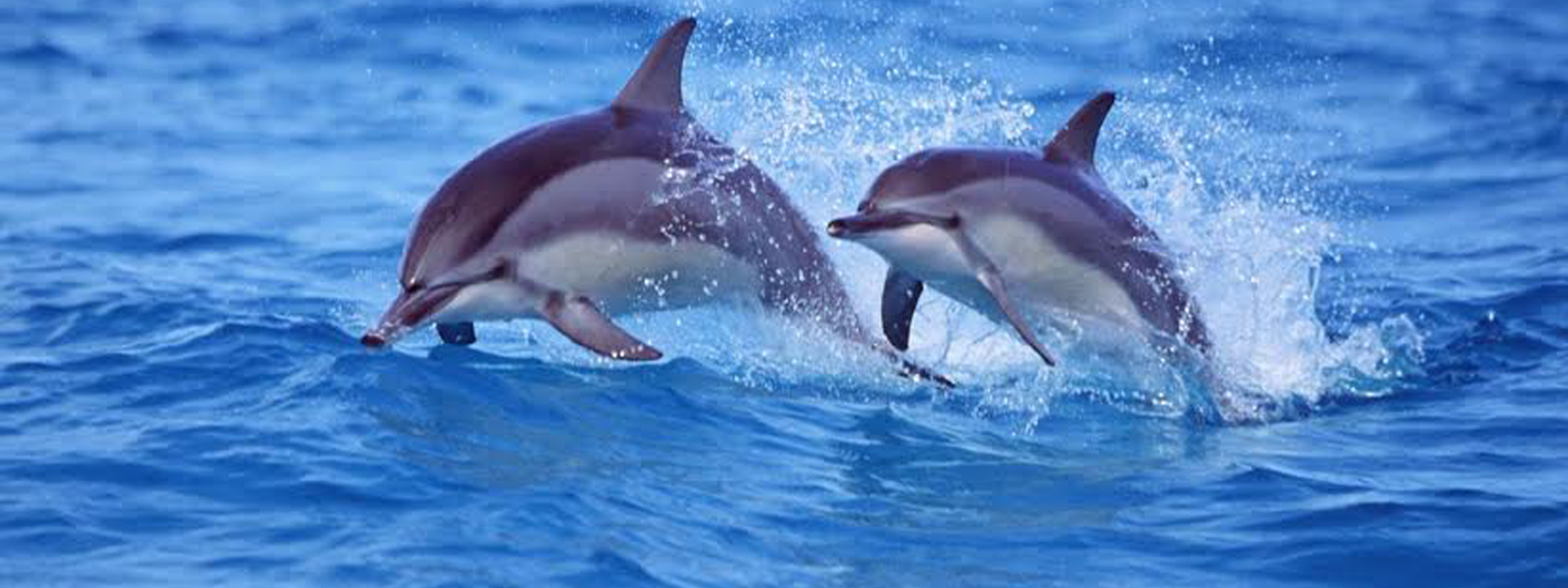
Dolphin captures in Taiji, Japan, occurred on the first of Sept. Now follows 6 months of slaughter and capture of dolphins in the notorious Cove. Our colleague Kunito Seko documented the opening catch of bottlenose dolphins, all destined for a miserable life in captivity.
Read More >
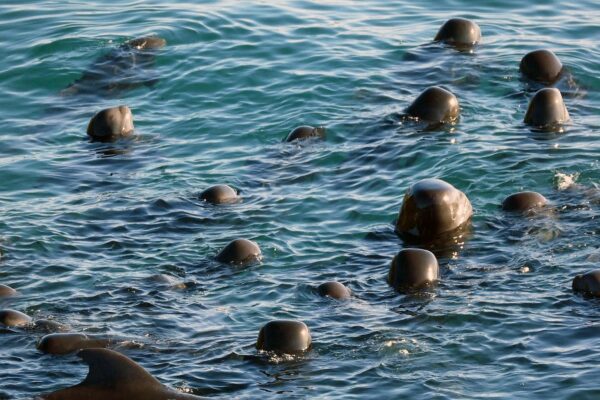
Pilot whales are intelligent dolphins swimming off the coast of Taiji, Japan, but to the dolphin hunters, they are just so much meat to sell -- meat contaminated with mercury, not fit for human consumption. Kunito Seko caught the tragedy on film.
Read More >
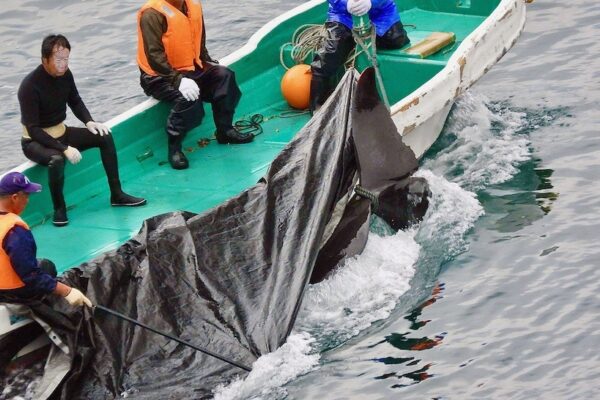
A pod of pilot whales was decimated in the notorious Cove in Taiji, Japan, last week. Activist and photographer Kunito Seko was on hand to photograph it and report on it. It is unusual for so many to be killed this late, but the Japan Fisheries Agency goes out of its way to allow slaughter and captures of dolphins for a miserable life in captivity.
Read More >
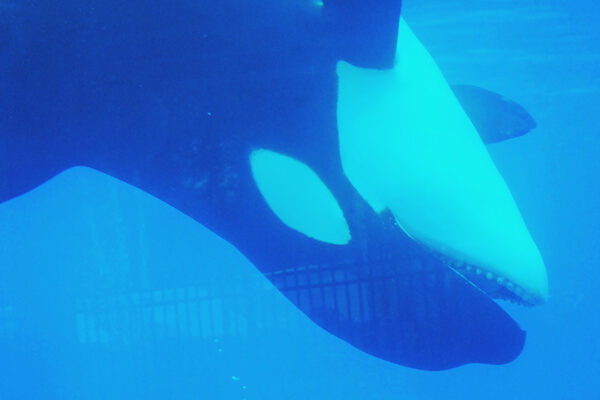
Now that the SWIMS Act has been introduced into Congress, we need your help to ensure its passage. Check out ways you can help end captivity for small whales.
Read More >
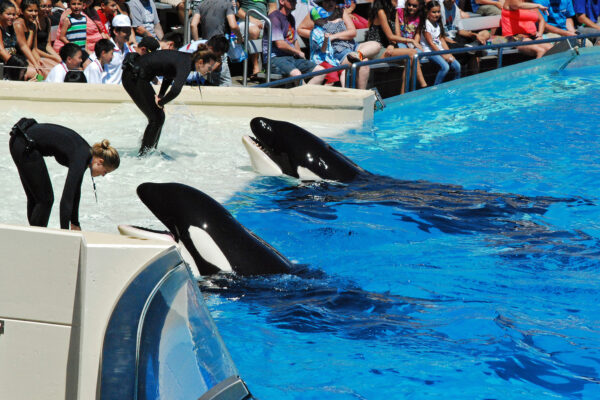
Orcas, pilot whales, belugas, and false killer whales do poorly in captivity, in poor health and often stressed. The SWIMS Act, introduced today in Congress, will change that.
Read More >
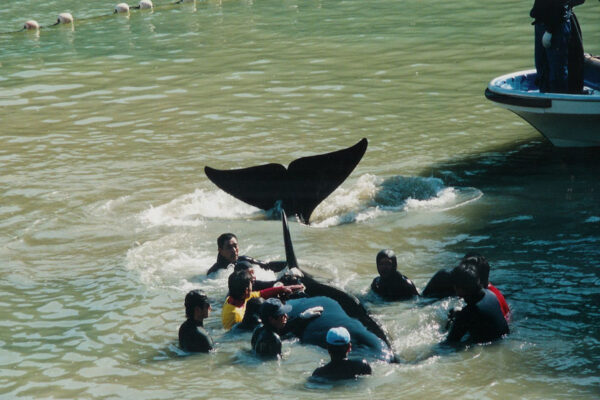
Progress is being made shutting down dolphinariums around the world, but too many dolphins and whales remain in concrete coffins, entertaining us and generating obscene profits for facilities that hold these special and fragile animals.
Read More >
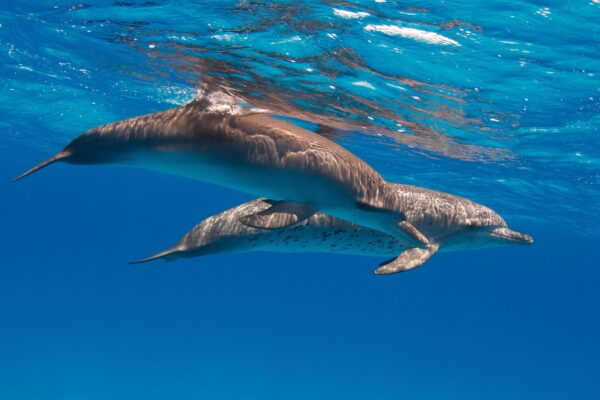
A recent analysis by scientists, adopted by the IWC Scientific Committee, shows what many opponents of the Taiji dolphin hunts have feared -- the hunts are depleting several dolphin species along the coast of Japan, leading the dolphin hunters to go after other species, while still killing the depleted species.
Read More >
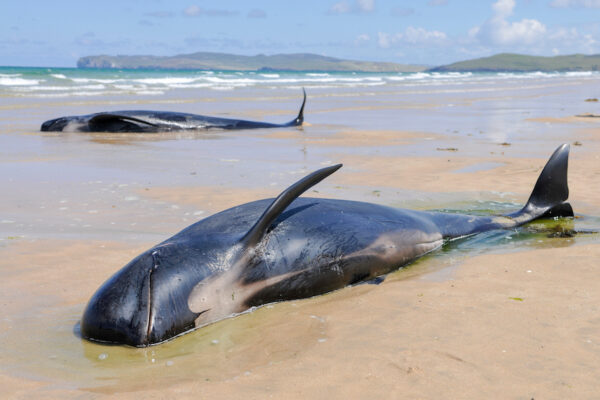
Sometimes whales and dolphins don't stay in the ocean, but come up on shore. Why do they do this, as individuals and sometimes as whole pods of animals? There are many reasons, but too often such strandings end in tragedy.
Read More >
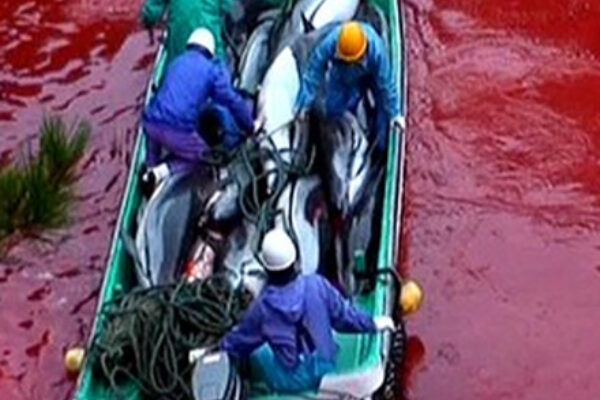
We again tested dolphin and whale meat bought in Taiji in stores for human consumption. All but one specimen had mercury levels well above Japan's own rules for safety. Even minke whale meat had too much poisonous mercury. PCBs were also found.
Read More >
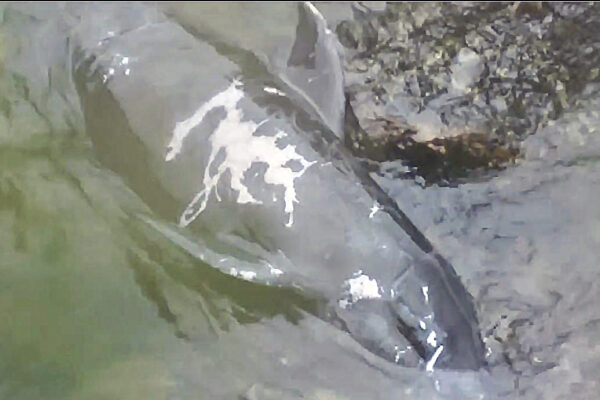
A pod of pilot whales and a pod of Risso's dolphins are now dead, having been slaughtered in just the first week of the notorious Taiji dolphin hunting season last week. The captures, often resulting in a lifetime of dolphin misery in captivity, and slaughter for meat will continue for another six months. WARNING: Graphic Photos.
Read More >
Page 1 of 2 pages First Page 1 2 > Last Page
Campaign Top News
- International Marine Mammal Project >
-
-
From pushing for sanctuaries for Wikie & Keijo and 30 beluga whales, to opposing attempts to gut the Endangered Species and Marine Mammal Protection Acts, to protecting wetlands in the Barataria basin, the International Marine Mammal Project has accomplished a great deal in 2025 for whales and dolphins.
-
What is it like being a student intern at the International Marine Mammal Project? An internship can be life-changing for a student. Our intern Jillian talks about her experience with IMMP.
-
From battling the whaling industry in Japan and Iceland, to exposing the continued slaughter of dolphins in Taiji, Japan, to saving the lives of tens of thousands of dolphins annually through Dolphin Safe tuna, the International Marine Mammal Project has accomplished a lot in 2024.
- More Stories >
-
- Save Japan Dolphins >
-
-
Dolphin captures in Taiji, Japan, occurred on the first of Sept. Now follows 6 months of slaughter and capture of dolphins in the notorious Cove. Our colleague Kunito Seko documented the opening catch of bottlenose dolphins, all destined for a miserable life in captivity.
-
The Taiji dolphin drive hunts have again ended, killing hundreds of dolphins for meat after removing "show quality" animals for a miserable life in captivity. Numbers were slightly higher this year for slaughter, although historically low compared to recent years.
-
Three species of dolphins have been captured and slaughtered over the past month as the bloody Taiji dolphin drive hunts continue. Most of the dolphins you see in these photos are now dead. The hunts end on March 1st, but six months later, they will begin again.
- More Stories >
-
- Dolphin + Whale Project >
-
-
A terrible "permit reform" bill now pending in the US Senate would gut the Endangered Species Act, delay protections for endangered right whales, encourage data centers, and block local action to prevent development projects. Contact your Congressmembers!!
-
The Army Corps of Engineers planned to channel fresh water and sediment into the Barataria wetlands for 50 years, threatening wildlife and fisheries, including a population of bottlenose dolphins. Our lawsuit is at an end, and the project is dead. Read our blog.
-
Things are bad for the declining gray whale population, but a recent symposium in Newport, Oregon, left a lot to be desired, as issues of policy and climate change were left behind in the discussions. Action is needed now!
- More Stories >
-
- Keiko Whale Rescue >
-
-
Like most cetaceans, beluga whales do poorly in captivity. Many are now kept in aquariums around the world -- some get stranded once the aquarium or park goes broke and shuts down. Learn about the beluga whale, and why it is a bad idea to keep them in small concrete tanks.
-
We are deeply saddened at the death of orca whale Tokitae. Calls for her release were denied for decades and it’s shameful that she never got a chance to go home.
-
30 years ago, the movie "Free Willy" was a huge hit. The plight of its orca star, Keiko, touched the public along with the moving story. Read how the International Marine Mammal Project took that spark of concern and returned Keiko to his home waters. SeaWorld and other captive dolphin parks would never be the same!
- More Stories >
-
- Dolphin Safe Fishing >
-
-
The US is now the biggest importer of seafood in the world, but the sustainability of many of the fisheries involved is highly questionable. The experience with the Dolphin Safe tuna label can help form better monitoring and protection for fish populations, as well as protect non-target species like marine mammals.
-
Every year, we estimate that the Dolphin Safe label on tuna cans saves the lives of 90,000 dolphins annually in the Eastern Tropical Pacific Ocean, and many more in other oceans of the world. You, as a consumer, should know how the Dolphin Safe label works to protect dolphins in global tuna fisheries.
-
A new Marine Mammal Protection Act has been proposed for the Philippines, with strong support from our IMMP Philippines office, with the support of Representative Co. Read about this new legislation to protect endangered species like the Irrawaddy dolphin and other Filipino whales and dolphins.
- More Stories >
-
- Freeing Orca Whales from Captivity >
-
-
IMMP opposed the transfer of belugas from Canada's Marineland to US aquariums. This so-called "rescue" has resulted in 30 belugas being moved to marine parks, but one has already died at the Shedd Aquarium in Chicago. How many more will the captivity industry kill?
-
Thirty belugas in a closed park in Canada are scheduled to be sent to five aquariums in the US and Spain. IMMP is demanding a better review of their health before moving them and a ban on breeding them in captivity. Read our letter.
-
The orcas Wikie and her son Keijo are still trapped in Marineland in France. Marineland wants the orcas to go to Loro Parque Zoo, an aquarium in Spain with one of the worst records of captive orca deaths. IMMP is urging the French government to instead retire Wikie and Keijo to a seaside sanctuary in Nova Scotia.
- More Stories >
-
- Freeing Wikie & Keijo >